📍 Greater Houston Service Area

Water Damage Restoration in Baytown, TX

Water damage cleanup, sewage sanitization, and moisture mapping in Baytown, TX. Speak with our team to request local support.

Part of our regional locations directory, we coordinate specialized residential water damage restoration tailored to the local area.

When water floods your home or business in Baytown, the immediate concern is stopping the damage and getting your life back to normal. Whether you are dealing with a sudden pipe burst in your kitchen or wind-driven rain from a coastal storm, water quickly soaks into floors, walls, and belongings. Our focus is on removing that water, drying out your property, and coordinating the repairs needed to make your home safe and comfortable again.

Who Needs Professional Water Extraction?

Homeowners and business operators in Baytown, as well as nearby areas like Pasadena and League City, know that living near the coast and the Houston Ship Channel comes with unique weather challenges. Strong storms and heavy rains can push water into buildings through roof leaks or under doors. Beyond weather, everyday plumbing failures—like a ruptured water heater, an overflowing washing machine, or a backed-up sewer line—can happen to anyone. If your property has standing water or soaked carpets, professional help is necessary to handle the cleanup safely and effectively.

Signs You Need Immediate Help

Sometimes water damage is obvious, like a flooded living room. Other times, it's more subtle. You might notice dark water stains spreading across your ceiling, peeling paint, or baseboards that have started to swell and warp. A persistent musty odor in your home is also a strong indicator that moisture is trapped somewhere it shouldn't be. If you see or smell any of these signs, it's time to have a professional assess the situation.

Common Causes of Water Damage in Baytown

In our area, heavy rain events and coastal surges are frequent culprits, bringing unwanted water indoors. These storm-related floods often carry mud and outdoor contaminants. However, many of the calls we receive are for indoor plumbing issues. A broken supply line in a bathroom, an aging water heater that finally gives out, or an AC drain pan overflowing in the attic during our hot summers can all release hundreds of gallons of water into your living space.

The Restoration Process

Our goal is to stabilize your property and remove the moisture as thoroughly as possible. Here is what the process generally looks like:

  1. Safety and Assessment: We first make sure the area is safe to enter and identify where the water is coming from so we can stop it.
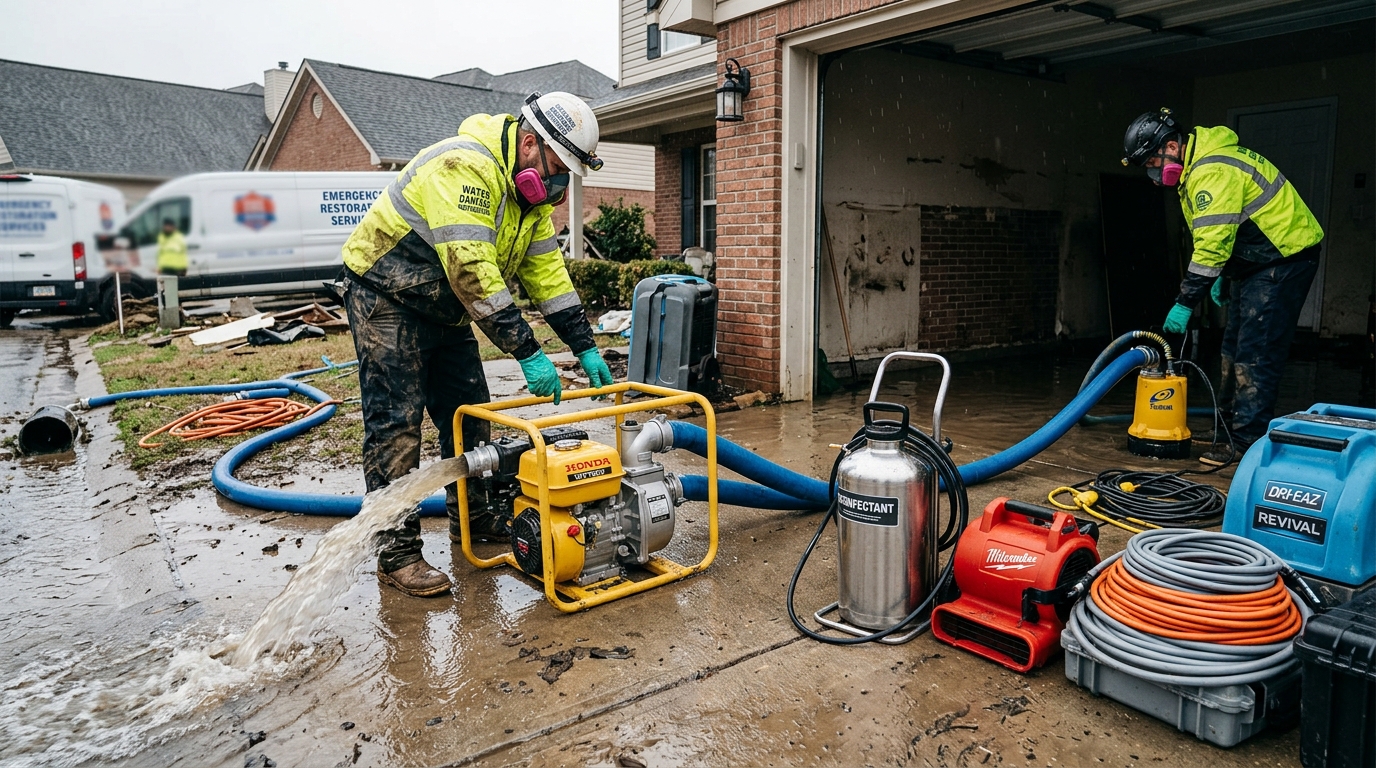
  2. Water Extraction: Using strong pumps and vacuums, we pull up the standing water from your floors and carpets.
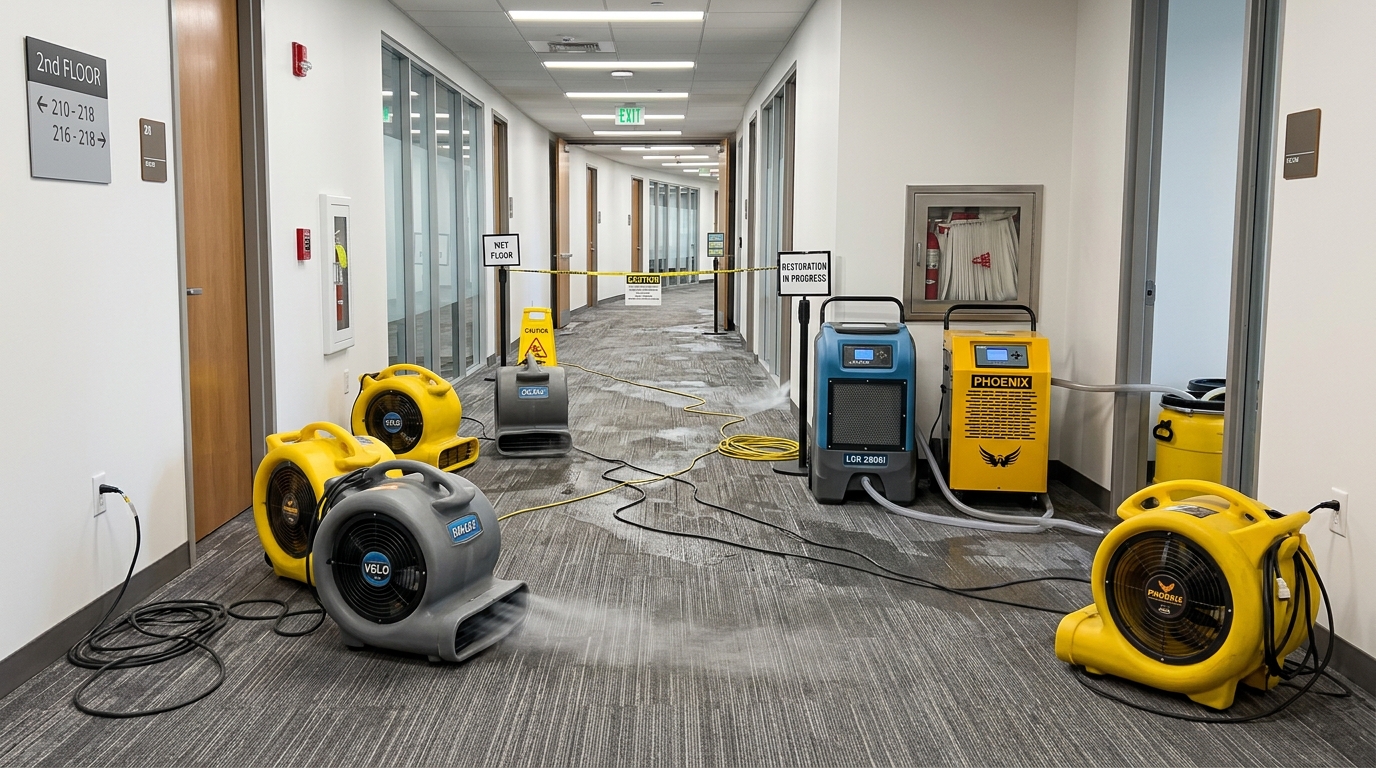
  3. Structural Drying: We place professional air movers and dehumidifiers throughout the wet areas. These machines work together to pull moisture out of the air and the wet building materials.
  4. Moisture Tracking: We check the progress regularly using moisture meters to ensure the hidden moisture inside your walls and floors is actually leaving.
  5. Reconstruction: Once everything is completely dry and cleaned, we help coordinate the repairs—like putting up new drywall and laying down new floors—to get your home back to how it looked before.

What Happens to Wet Materials?

The type of water that flooded your home determines what we can save. Clean water from a broken pipe is the easiest to manage; if caught early, we can often dry out your carpets and walls. However, if the water came from outside flooding or a sewer backup, it carries harmful bacteria. For your safety, porous materials that touched this dirty water, such as carpet padding, insulation, and lower sections of drywall, must be safely removed and replaced.

The Risks of Waiting

Water is incredibly destructive when left alone, especially in Baytown's humid climate. Moisture quickly wicks up walls and soaks deep into wooden structural framing. If a wet building isn't dried out properly, the wood can begin to warp and rot, compromising the strength of your home. Additionally, mold can start growing on damp surfaces in as little as 24 to 48 hours, creating a secondary problem that is harder and more expensive to fix.

Local Baytown Experience

Homes situated near Galveston Bay or the Ship Channel face high humidity levels year-round. This means that simply opening windows after a water leak won't dry out your house; in fact, it might let more moisture in. We use specialized dehumidifiers designed to pull water out of the air faster than our humid climate can replace it, ensuring your home dries thoroughly and safely.

Depending on what caused the damage, your property might need additional care. If the flooding was caused by a sewer backup, our team handles the specialized cleaning and sanitization required to make the area safe again. We also manage the removal of ruined materials and the full reconstruction of the damaged rooms.

What to Do Next

If you have water damage in your home, the most important step is to act quickly. If you can safely do so, turn off the main water supply to stop the leak. Avoid walking through the water, especially if it might be contaminated or near electrical outlets. Then, reach out for professional help so we can start extracting the water and drying out your property before the damage spreads further.

Local Coverage, Zip Codes & Watershed Risks

Our restoration teams provide 24/7 rapid response across the entire local area, maintaining dedicated equipment staging for fast arrival.

  • Zip Codes Served: 77520, 77521, 77523
  • Major Corridors & Arterials: I-10 (East Freeway), TX-146, Garth Rd, Rollingbrook Dr, and Decker Dr
  • Local Landmarks & Hubs: San Jacinto Mall area, Baytown Nature Center, Tabbs Bay, and Houston Ship Channel proximity
  • Hydrological & Watershed Risk Profile: Cedar Bayou watershed, Goose Creek, and Galveston Bay coastal storm surge risks. Properties with slab-on-grade foundations face severe moisture intrusion during heavy Gulf Coast rain events.

Whether your property has suffered a sudden pressurized plumbing leak or rising floodwaters, we deploy specialized water extraction, IICRC-certified structural drying in Houston, and targeted emergency water damage restoration tailored to local building codes and foundation types.
Water Damage Restoration Services in Baytown, TX (77520, 77521, 77523) Water Damage Restoration

We provide full-service emergency water extraction, moisture mitigation, and structural drying for homes and commercial spaces across Baytown, TX. Here are all the core restoration services available 24/7:

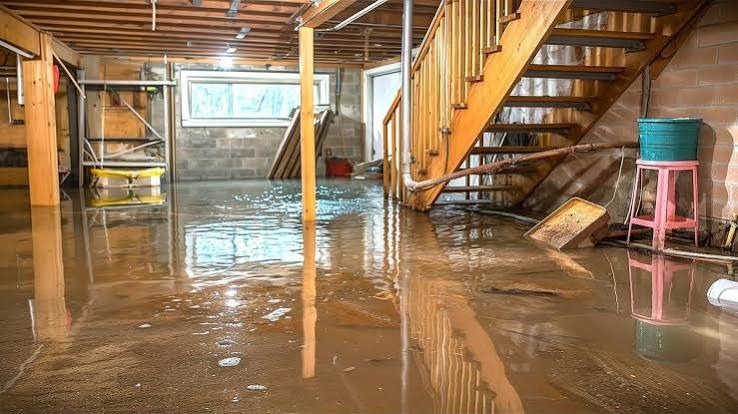
Submerged staircase and deep standing floodwater in a flooded residential basement

Emergency Water Damage Restoration

When water is actively entering a property, standing water is spreading, or a major leak has affected multiple areas, delaying action can allow moisture to travel into walls, flooring, ceilings, and other materials. Emergency water damage restoration focuses on assessing the situation, controlling the source when possible, removing water, and beginning the drying process.

Explore Emergency Water Damage Restoration →
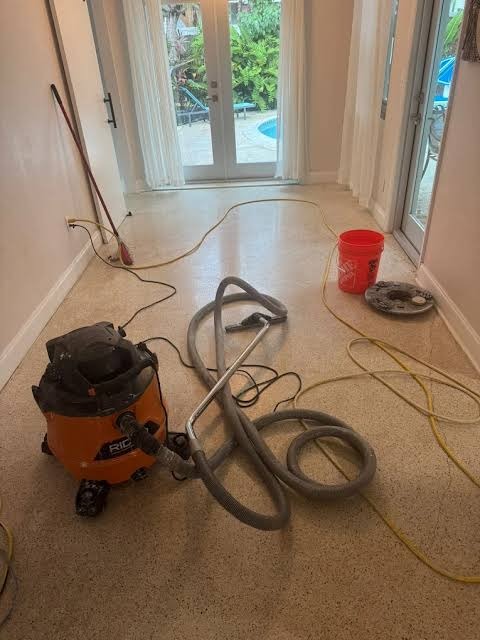
Wet vacuum extraction equipment and squeegee wand removing standing water from flooring

Water Extraction Services

Standing water can move into flooring, carpet, cabinets, drywall, and other porous materials if it remains in place. Water extraction uses appropriate equipment to remove accumulated water and reduce the amount of moisture that needs to be dried from the property.

Explore Water Extraction Services →
Industrial air movers, commercial dehumidifier, and containment barrier for structural drying

Structural Drying

Removing visible water does not necessarily mean the structure is dry. Moisture can remain inside drywall, insulation, subfloors, framing, and other building materials. Structural drying uses air movement, dehumidification, and moisture monitoring to help identify and reduce remaining moisture.

Explore Structural Drying →
Moisture meter checking moisture levels on structural wall framing

Water Damage Mitigation

Water damage mitigation focuses on limiting the spread and severity of damage after a water event. This may involve identifying the source, removing standing water, protecting unaffected areas, assessing moisture, and determining which materials require drying, cleaning, or further attention.

Explore Water Damage Mitigation →
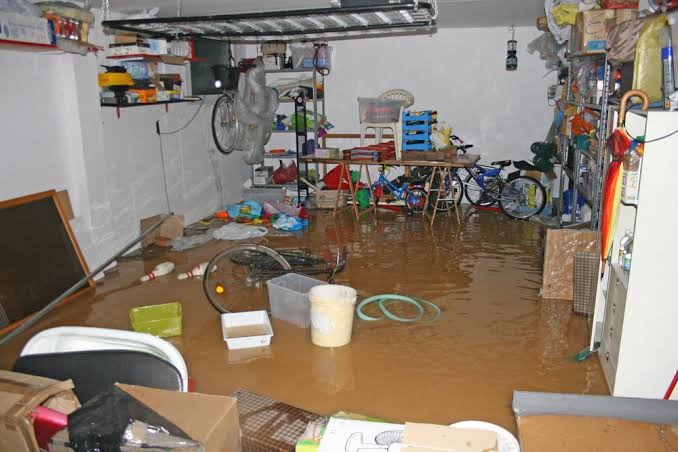
Flooded ground-level garage filled with muddy standing floodwater over household items

Flood Damage Cleanup

Flood water can affect large portions of a property and may contain debris or contaminants depending on where the water originated. Flood damage cleanup can involve water removal, affected-area cleanup, moisture assessment, and structural drying.

Explore Flood Damage Cleanup →
Roof tarping and water damage restoration after hurricane storm damage

Storm Water Damage Restoration

Heavy rain, tropical storms, hurricanes, and wind-driven water can introduce moisture through roofs, windows, doors, walls, and other openings. Storm water damage restoration addresses the resulting water intrusion and the materials affected by it.

Explore Storm Water Damage Restoration →
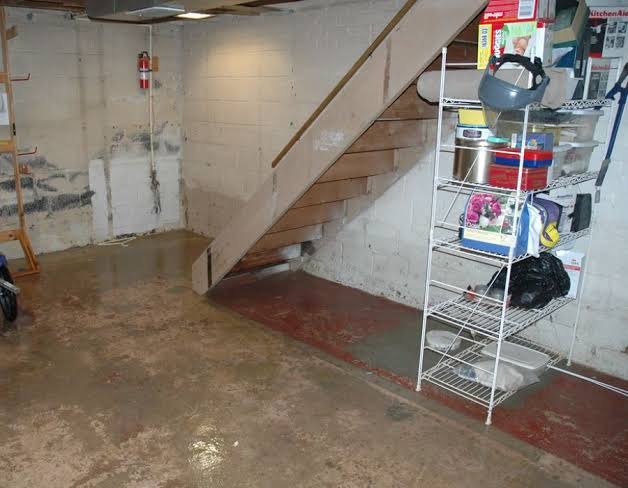
Standing water on concrete foundation floor and damp block walls under basement staircase

Burst Pipe Water Damage Cleanup

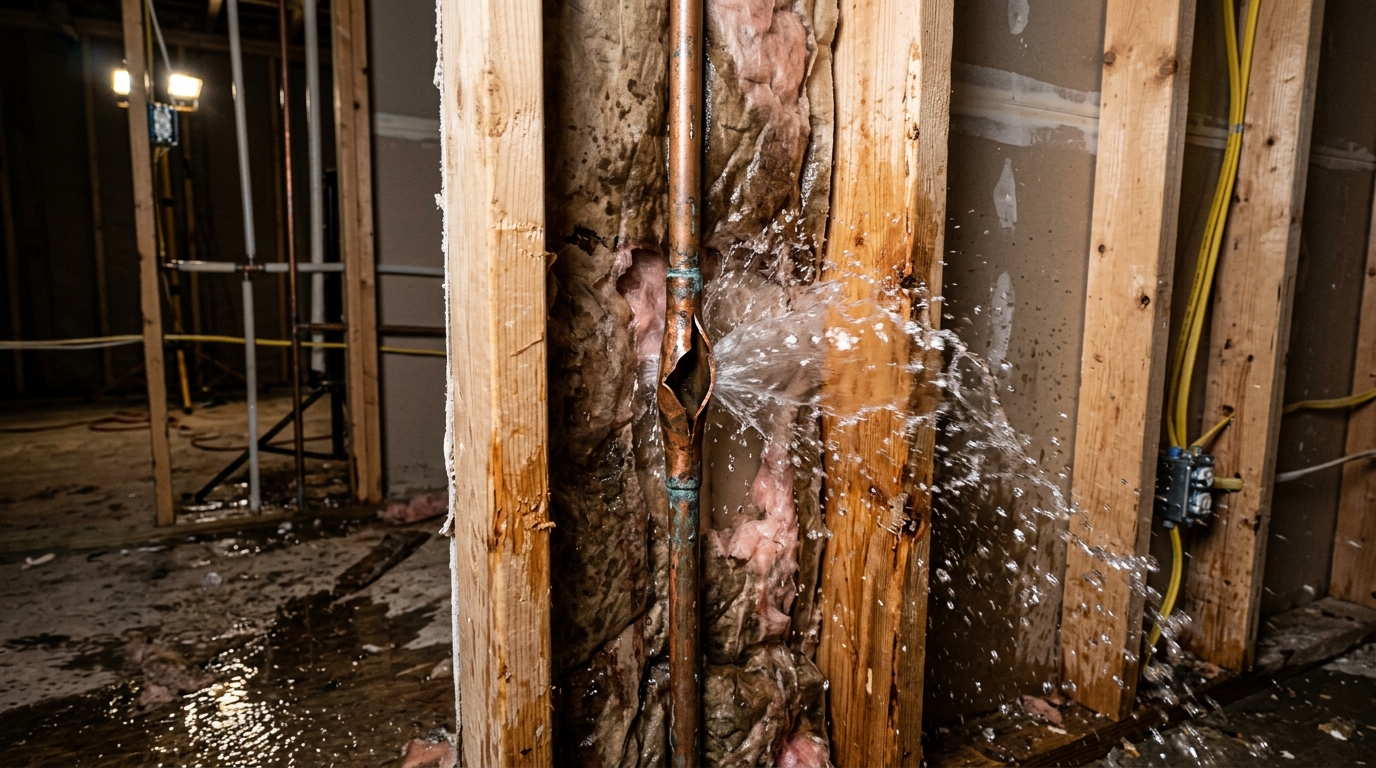
A burst pipe can release significant amounts of water in a short period, often affecting flooring, walls, ceilings, cabinets, and personal belongings. Cleanup begins with addressing the water source and removing accumulated water before affected areas can be properly dried.

Explore Burst Pipe Water Damage Cleanup →
Technician in personal protective suit disinfecting sewage backup area

Sewage Water Cleanup & Sanitization

Sewage backups require a different approach from clean-water plumbing leaks because wastewater can contain harmful contaminants. Cleanup may involve removing contaminated water and materials, cleaning affected surfaces, and sanitizing areas that have been exposed.

Explore Sewage Water Cleanup & Sanitization →
Stained sagging ceiling drywall from overhead plumbing leak

Ceiling Water Damage Restoration

Water stains, bubbling drywall, dripping ceilings, or damaged insulation can result from plumbing leaks, roof problems, HVAC condensation, or other sources above the affected area. Ceiling water damage restoration focuses on identifying the source and addressing moisture in the ceiling and surrounding materials.

Explore Ceiling Water Damage Restoration →
Thermal imaging camera scanning moisture migration inside drywall cavities

Wall Water Damage Restoration

Water can travel behind walls without being immediately visible, particularly after plumbing leaks, burst pipes, or roof and exterior water intrusion. Wall water damage restoration involves assessing affected areas and determining whether drywall, insulation, framing, or other materials have retained moisture.

Explore Wall Water Damage Restoration →
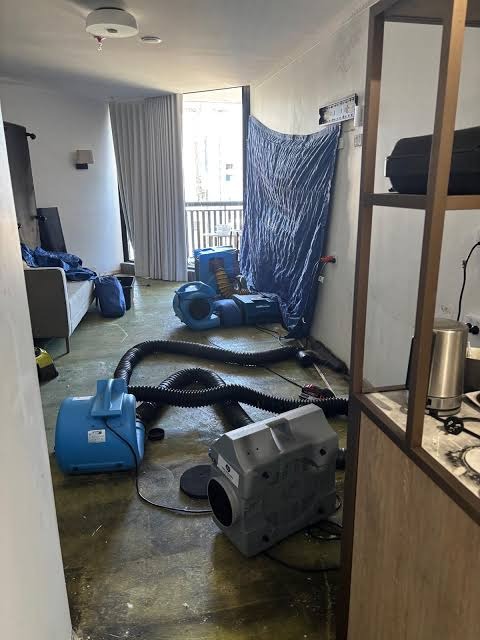
Family living space drying out after kitchen pipe burst

Residential Water Damage Restoration

Water damage in a home can affect kitchens, bathrooms, bedrooms, living areas, flooring, walls, ceilings, and other parts of the property. Residential water damage restoration brings together the appropriate assessment, water removal, drying, cleanup, and restoration services based on the situation.

Explore Residential Water Damage Restoration →
Scaled warehouse dehumidification array drying commercial concrete floors

Commercial Water Damage Restoration

Scaled emergency water extraction and dehumidification services for commercial offices, retail centers, warehouses, and multi-family structures. We deploy high-capacity trailer drying units and coordinate operations to minimize business interruption and inventory loss.

Explore Commercial Water Damage Restoration →
GOOD QUESTIONS

Frequently Asked Questions About Water Damage Restoration in Houston

Got questions about our restoration services? Here are common inquiries we receive from Houston homeowners and property owners.

(832) 849-4218 →

Our proximity to the Houston Ship Channel and Galveston Bay means properties often face wind-driven rain or coastal surges. This water is considered highly contaminated. We act quickly to extract this water and remove ruined materials before mold or long-term structural issues can develop.

If the water came from outside flooding or a sewage backup, porous materials like drywall and insulation usually need to be removed for your safety. However, if the water was clean (like from a broken supply pipe) and we respond quickly, our drying equipment can often save these materials.

Baytown's naturally high humidity makes it harder for wet homes to air dry. Delaying professional drying allows moisture to soak deeper into wood framing and drywall, increasing the risk of mold growth, which can start in as little as 24 to 48 hours.

Yes, we coordinate the entire process. Once your property is completely dry and safe, our team manages the reconstruction, putting back drywall, floors, and paint so your home is fully restored.

Ready to fix your water damage for good?

Book a trusted Houston water damage restoration specialist today — 24/7 rapid response, honest pricing, and total peace of mind.

(832) 849-4218 Available 24/7, Call Now