Part of our regional locations directory, we coordinate specialized water damage restoration services tailored to the local area.
Dealing with water damage in your home or business can feel overwhelming. Whether you are facing a burst pipe, a leaking water heater, or water intrusion from heavy rains, getting the situation under control quickly is essential. In The Woodlands, residents need a reliable, professional response to remove standing water, dry out wet materials, and prevent mold growth. Through our local network of restoration professionals, we help property owners in The Woodlands, TX, access the timely assistance they need to restore their properties effectively and safely.
The Woodlands is known for its beautiful integration with nature, featuring thick pine forests, numerous lakes, and scenic waterways. While this environment makes it a wonderful place to live, it also creates unique challenges when water damage occurs. The dense tree canopy and proximity to water sources create microclimates with persistently high humidity, a condition also experienced in nearby communities like Spring, Conroe, and Kingwood. When water enters a building, the natural outdoor conditions make it much harder for materials to dry on their own. Without proper climate control, trapped moisture can quickly lead to structural issues and mold.
Who Benefits from Water Damage Restoration?
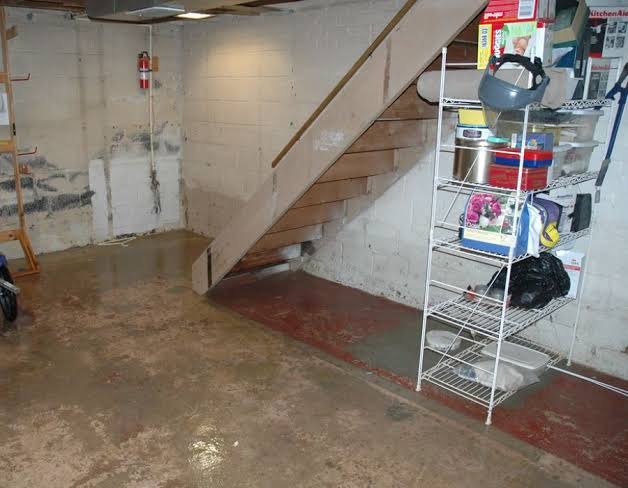
Any homeowner, renter, or business owner in The Woodlands who experiences unexpected water intrusion needs prompt mitigation. A slow roof leak over several months can cause as much damage as a sudden pipe burst. Local businesses, retail spaces, and residential homes built into the wooded landscapes all share the need for effective water extraction and structural drying.
Common Signs You Need Restoration Services
Water damage is not always obvious. While a flooded floor is clear evidence, other signs can be subtle. You may notice:
- Discolored walls or ceilings: Yellow or brown water stains are a clear indicator of an active leak or past damage that may require wall water damage restoration.
- Warped or buckling flooring: Hardwood, laminate, and even vinyl flooring can warp when moisture sits underneath them.
- Musty odors: A persistent damp smell often points to hidden moisture or mold growth behind drywall or under carpets.
- Peeling paint or wallpaper: Moisture trapped within the walls can cause surface finishes to bubble, peel, or crack.
- Spikes in water bills: An unexplained increase in your utility bill could mean there is a hidden plumbing leak steadily releasing water into your property.
Typical Causes of Water Damage in The Woodlands
Several factors contribute to water emergencies in this area:
- Appliance Failures: Washing machines, dishwashers, and refrigerators with faulty supply lines can release significant amounts of water.
- Water Heater Leaks: Aging water heaters stored in attics or garages can rupture, sending water down through ceilings and walls.
- Roof Leaks: Heavy storms and fallen tree branches, common in wooded neighborhoods, can damage shingles and allow rainwater to enter the attic.
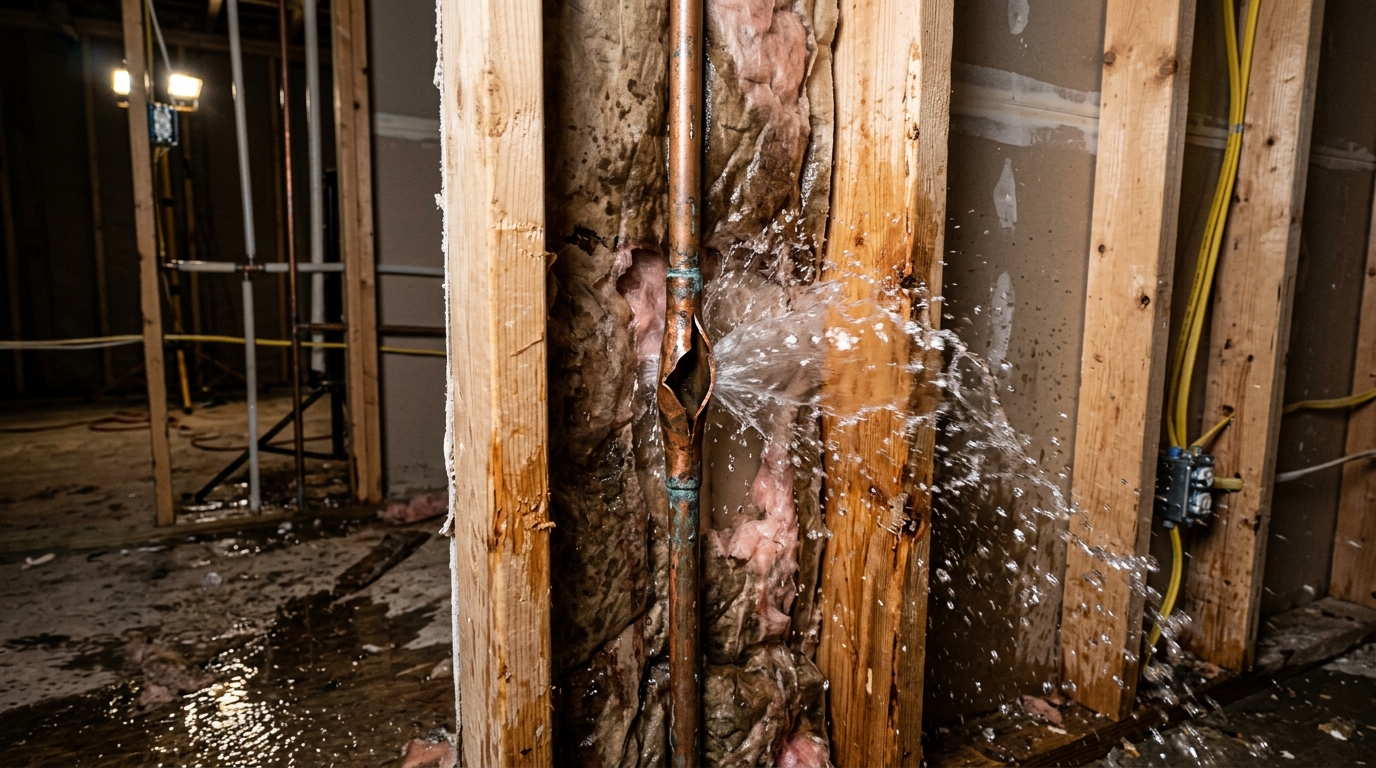
- Plumbing Issues: Frozen pipes during rare winter freezes or degraded plumbing connections can burst and flood living spaces.
- Air Conditioning Condensation: With air conditioners running heavily during Texas summers, clogged drain lines can overflow, leaking water into attics and ceilings.
The Restoration Process Explained
The goal of restoration is to return your home to its original condition while minimizing disruption. The process involves several key steps:
1. Initial Assessment and Safety Check
When professionals arrive, they first ensure the area is safe, checking for electrical hazards and identifying the source of the water. They use tools like thermal cameras and moisture meters to track how far the water has spread, including hidden moisture inside walls or under flooring.
2. Water Extraction
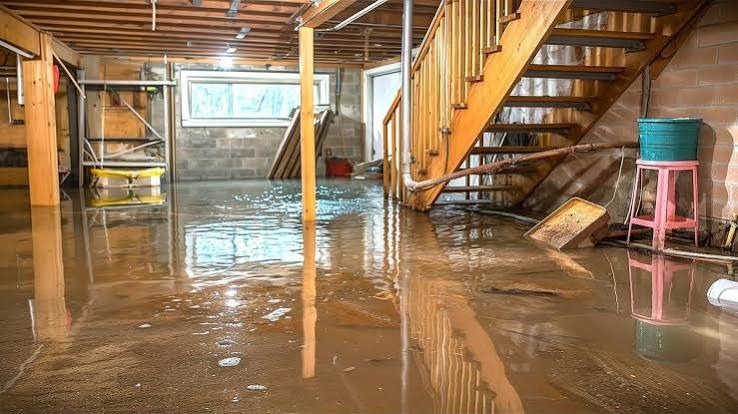
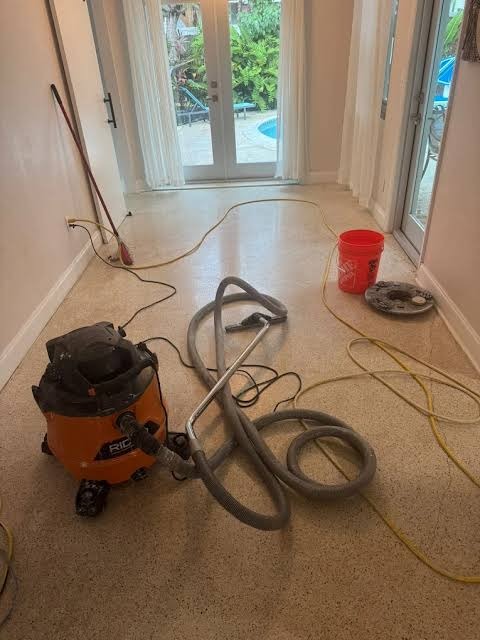
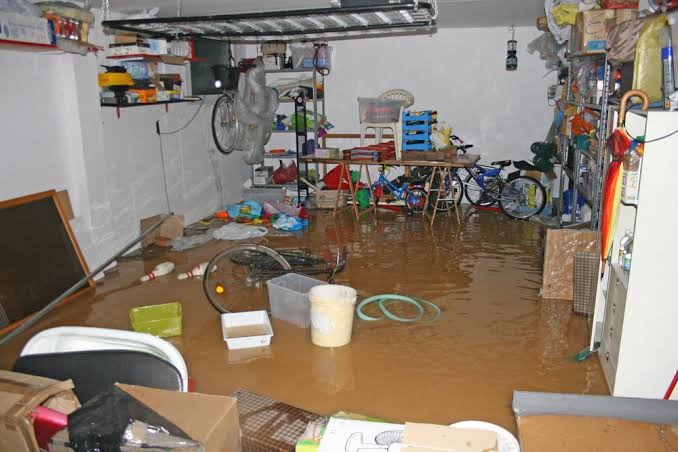
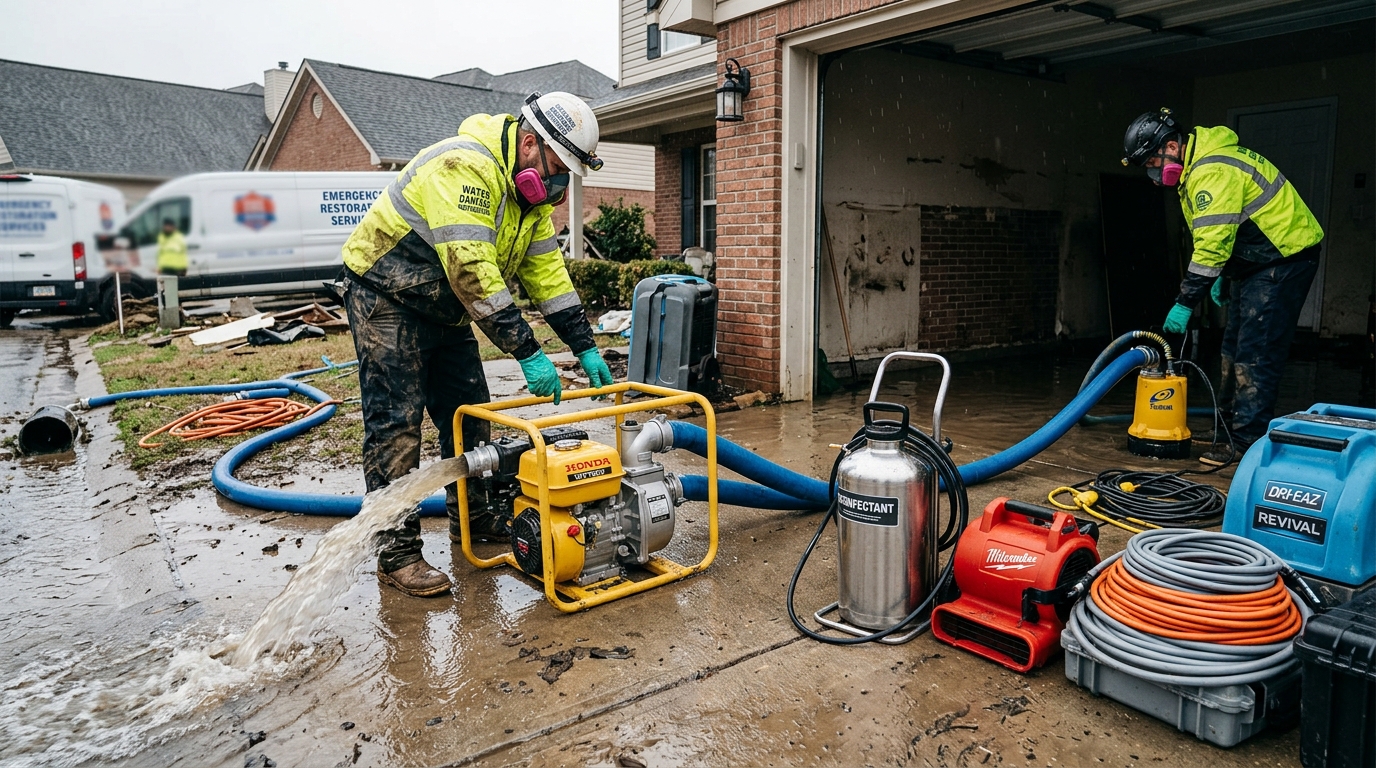
Removing standing water is the most urgent task. Specialized pumps and wet vacuums extract water from carpets, hard floors, and other surfaces. The faster the liquid is removed, the less time it has to soak into building materials.
3. Controlled Drying and Dehumidification
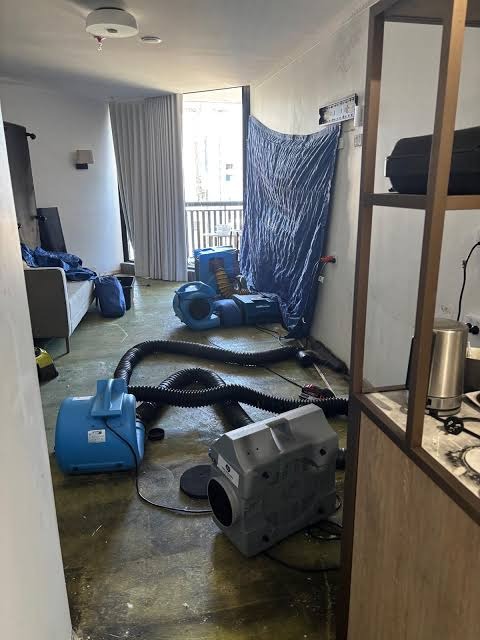
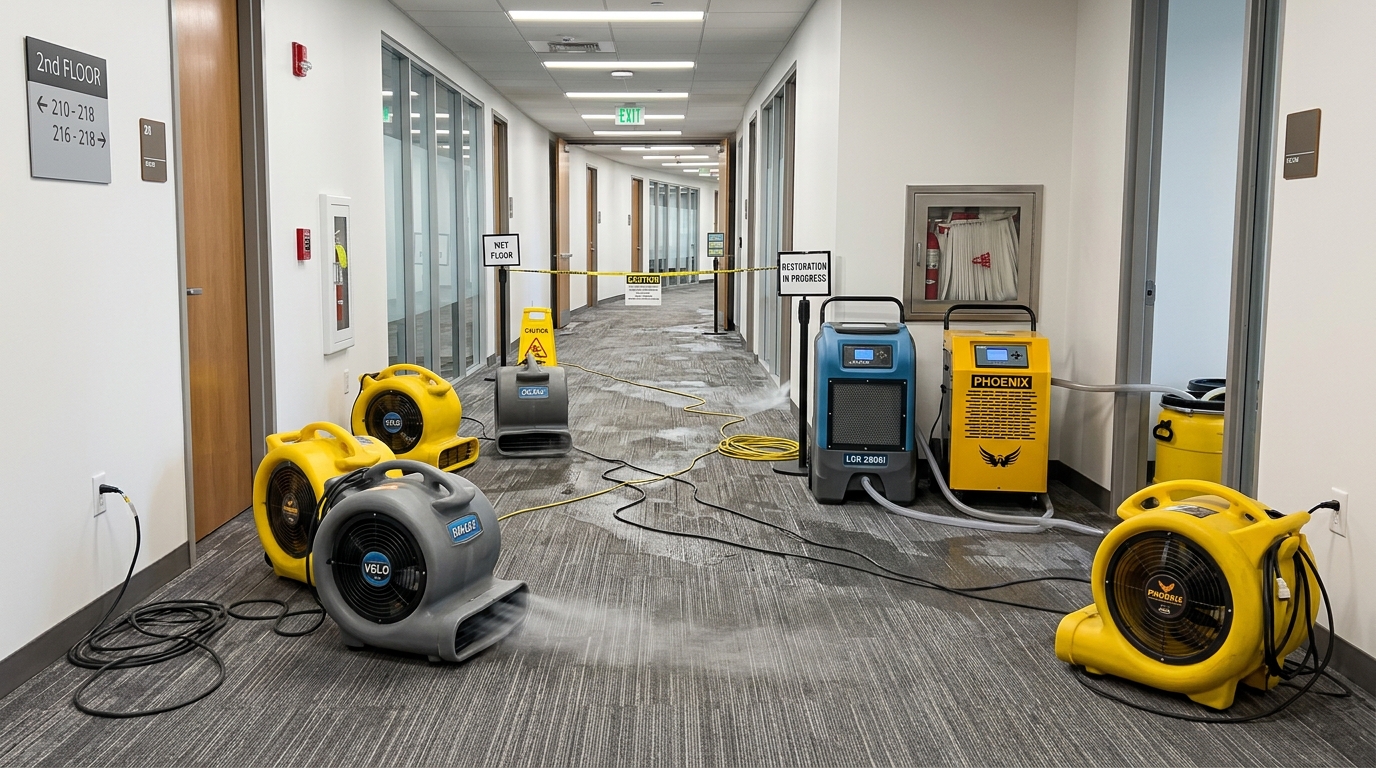
Because the air in The Woodlands is naturally humid, simply opening windows will not dry out a wet house. Instead, restoration teams seal off the affected rooms and use high-powered air movers and dehumidifiers. The air movers circulate air to lift moisture off wet surfaces, while the dehumidifiers pull that moisture out of the air. This controlled environment forces water out of wood, drywall, and concrete.
4. Cleaning and Sanitizing
Water can bring dirt and bacteria into your home, especially if it comes from an outside source or a backed-up appliance. All affected surfaces are cleaned and treated to prevent mold growth and remove any lingering odors.
5. Repair and Reconstruction
Once the property is verified completely dry, the repair phase begins. This may involve replacing sections of drywall, installing new carpet padding, laying down new flooring, or even larger structural repairs, depending on the severity of the damage.
What Materials Are Affected?
Water interacts differently with different materials in your home:
- Drywall: Acts like a sponge, drawing water upward through the wall. Often, the bottom section must be cut away to allow the inner wall cavity to dry.
- Wood: Framing and hardwood floors can absorb water and swell. If dried quickly, they can usually be saved, but prolonged exposure causes permanent warping.
- Carpets and Padding: While carpets can sometimes be cleaned and dried, the padding underneath usually needs to be replaced because it traps water and bacteria.
- Insulation: Wet fiberglass insulation loses its effectiveness and can become a breeding ground for mold, so it is typically removed and replaced.
The Risks of Delaying Cleanup
Waiting to address water damage can make the situation significantly worse. The longer water sits, the deeper it penetrates into the structure of your home. Within a short period, moisture can compromise the integrity of wood framing and drywall. More importantly, mold can begin to develop quickly in damp environments. Once mold spreads, the cleanup process becomes much more complex and costly. Addressing the issue immediately is the best way to protect your property and your health.
Related Services
When addressing water issues, other related services are often needed:
- Mold Remediation: If moisture has been present long enough for mold to grow, specialized removal techniques are necessary.
- Plumbing Repairs: Fixing the initial cause of the leak, whether it's a broken pipe or a faulty water heater.
- Carpet Cleaning and Restoration: Deep cleaning and deodorizing carpets that have been exposed to clean water.
- Roof Repair: Patching leaks and replacing damaged shingles to prevent future rainwater intrusion.
Taking Action When Water Strikes
When water damage occurs in The Woodlands, TX, taking immediate action is critical. First, turn off the main water supply if the leak is coming from your plumbing. Avoid walking through standing water if there are potential electrical hazards. Then, reach out for emergency water damage restoration assistance. Our team is ready to help, bringing experience with the specific challenges of drying homes in The Woodlands' environment. We have the tools, knowledge, and experience to handle the situation calmly and effectively, guiding you through the restoration process and helping you get your home back to normal.
Local Coverage, Zip Codes & Watershed Risks
Our restoration teams provide 24/7 rapid response across the entire local area, maintaining dedicated equipment staging for fast arrival.
- Zip Codes Served: 77380, 77381, 77382, 77385, 77389
- Major Corridors & Arterials: I-45, Woodlands Pkwy, Research Forest Dr, College Park Dr, and Kuykendahl Rd
- Local Landmarks & Hubs: The Woodlands Waterway, Market Street, Cynthia Woods Mitchell Pavilion, and Hughes Landing
- Hydrological & Watershed Risk Profile: Spring Creek watershed, Panther Branch overflow, and dense pine canopy shade slowing natural evaporation.
Whether your property has suffered a sudden pressurized plumbing leak or rising floodwaters, we deploy specialized water extraction, IICRC-certified structural drying in Houston, and targeted emergency water damage restoration tailored to local building codes and foundation types.