Restoration Services
From sudden plumbing failures to storm-driven flood damage, we provide specialized water recovery services across Houston.
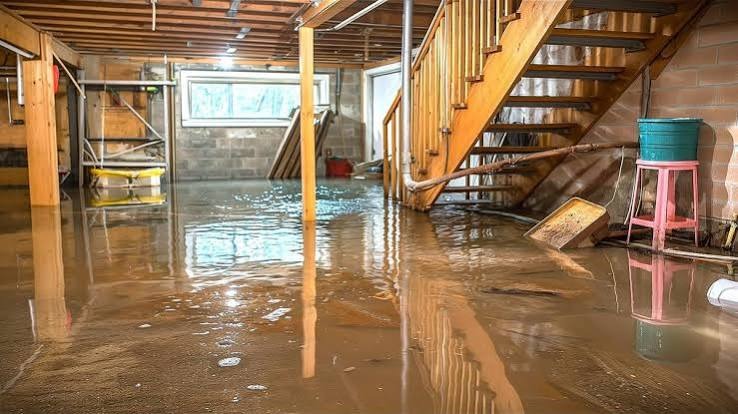
Emergency Water Damage Restoration
When water is actively entering a property, standing water is spreading, or a major leak has affected multiple areas, delaying action can allow moisture to travel into walls, flooring, ceilings, and other materials. Emergency water damage restoration focuses on assessing the situation, controlling the source when possible, removing water, and beginning the drying process.
Explore Service →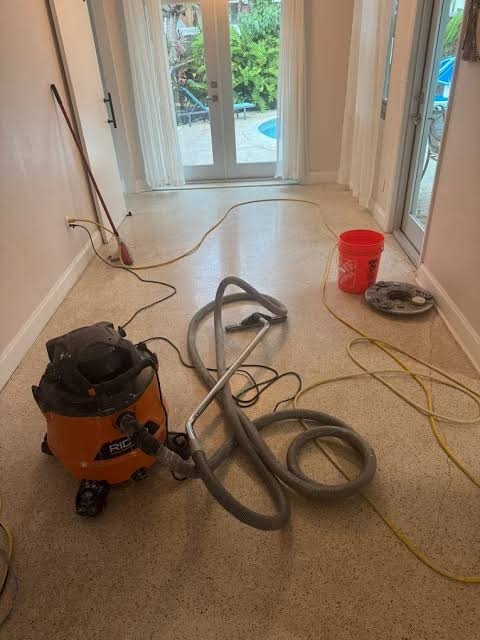
Water Extraction Services
Standing water can move into flooring, carpet, cabinets, drywall, and other porous materials if it remains in place. Water extraction uses appropriate equipment to remove accumulated water and reduce the amount of moisture that needs to be dried from the property.
Explore Service →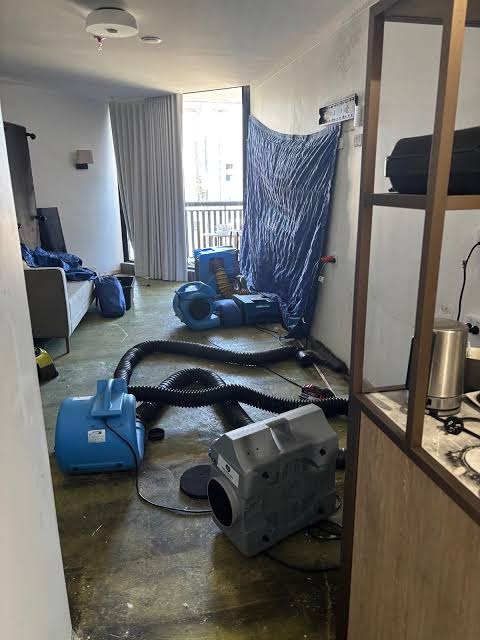
Structural Drying
Removing visible water does not necessarily mean the structure is dry. Moisture can remain inside drywall, insulation, subfloors, framing, and other building materials. Structural drying uses air movement, dehumidification, and moisture monitoring to help identify and reduce remaining moisture.
Explore Service →Water Damage Mitigation
Water damage mitigation focuses on limiting the spread and severity of damage after a water event. This may involve identifying the source, removing standing water, protecting unaffected areas, assessing moisture, and determining which materials require drying, cleaning, or further attention.
Explore Service →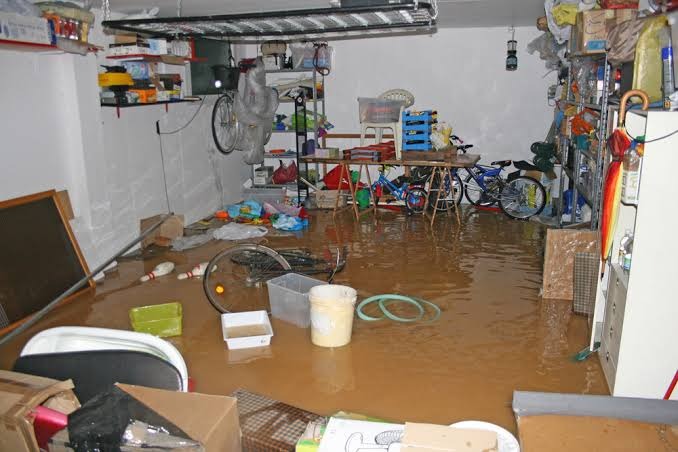
Flood Damage Cleanup
Flood water can affect large portions of a property and may contain debris or contaminants depending on where the water originated. Flood damage cleanup can involve water removal, affected-area cleanup, moisture assessment, and structural drying.
Explore Service →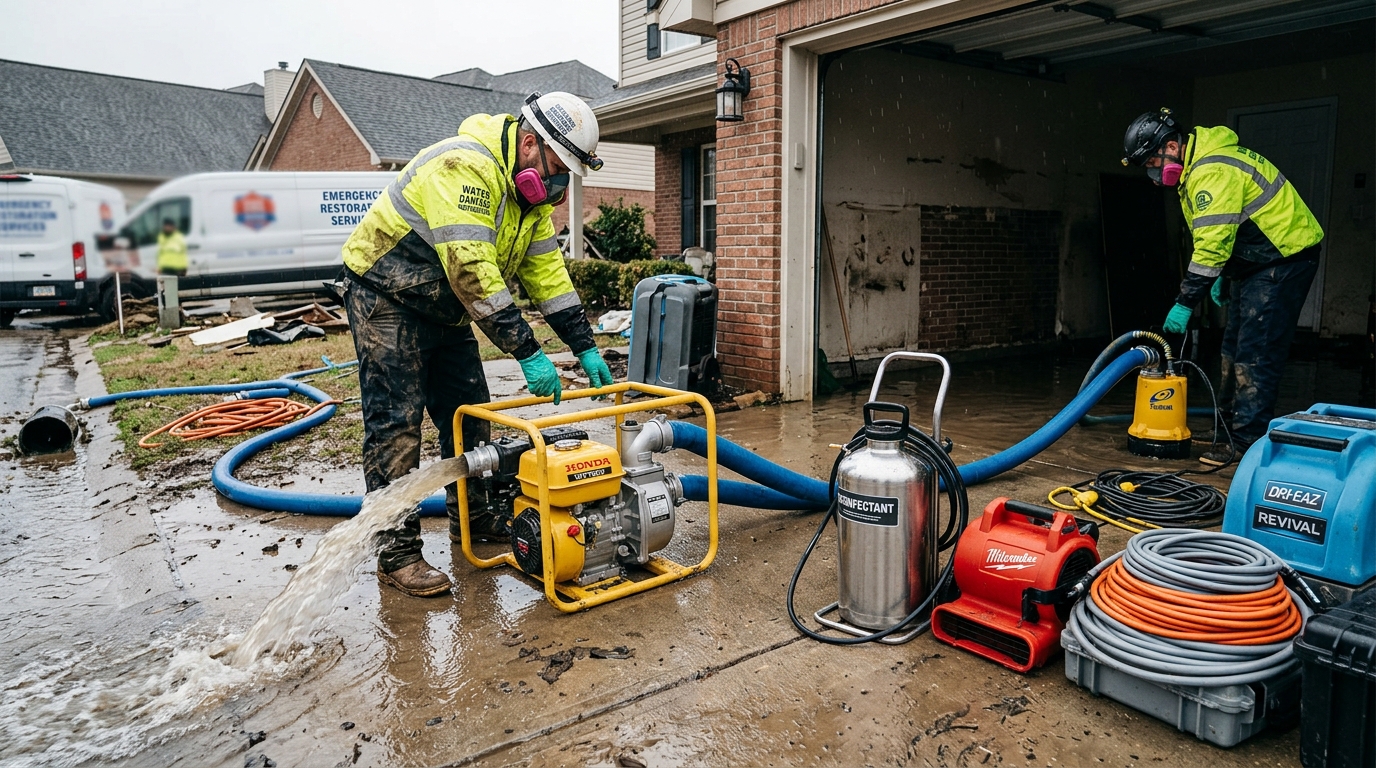
Storm Water Damage Restoration
Heavy rain, tropical storms, hurricanes, and wind-driven water can introduce moisture through roofs, windows, doors, walls, and other openings. Storm water damage restoration addresses the resulting water intrusion and the materials affected by it.
Explore Service →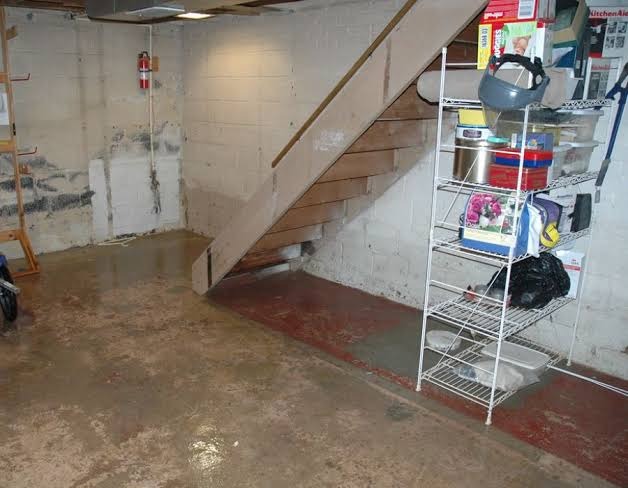
Burst Pipe Water Damage Cleanup
A burst pipe can release significant amounts of water in a short period, often affecting flooring, walls, ceilings, cabinets, and personal belongings. Cleanup begins with addressing the water source and removing accumulated water before affected areas can be properly dried.
Explore Service →Sewage Water Cleanup & Sanitization
Sewage backups require a different approach from clean-water plumbing leaks because wastewater can contain harmful contaminants. Cleanup may involve removing contaminated water and materials, cleaning affected surfaces, and sanitizing areas that have been exposed.
Explore Service →Ceiling Water Damage Restoration
Water stains, bubbling drywall, dripping ceilings, or damaged insulation can result from plumbing leaks, roof problems, HVAC condensation, or other sources above the affected area. Ceiling water damage restoration focuses on identifying the source and addressing moisture in the ceiling and surrounding materials.
Explore Service →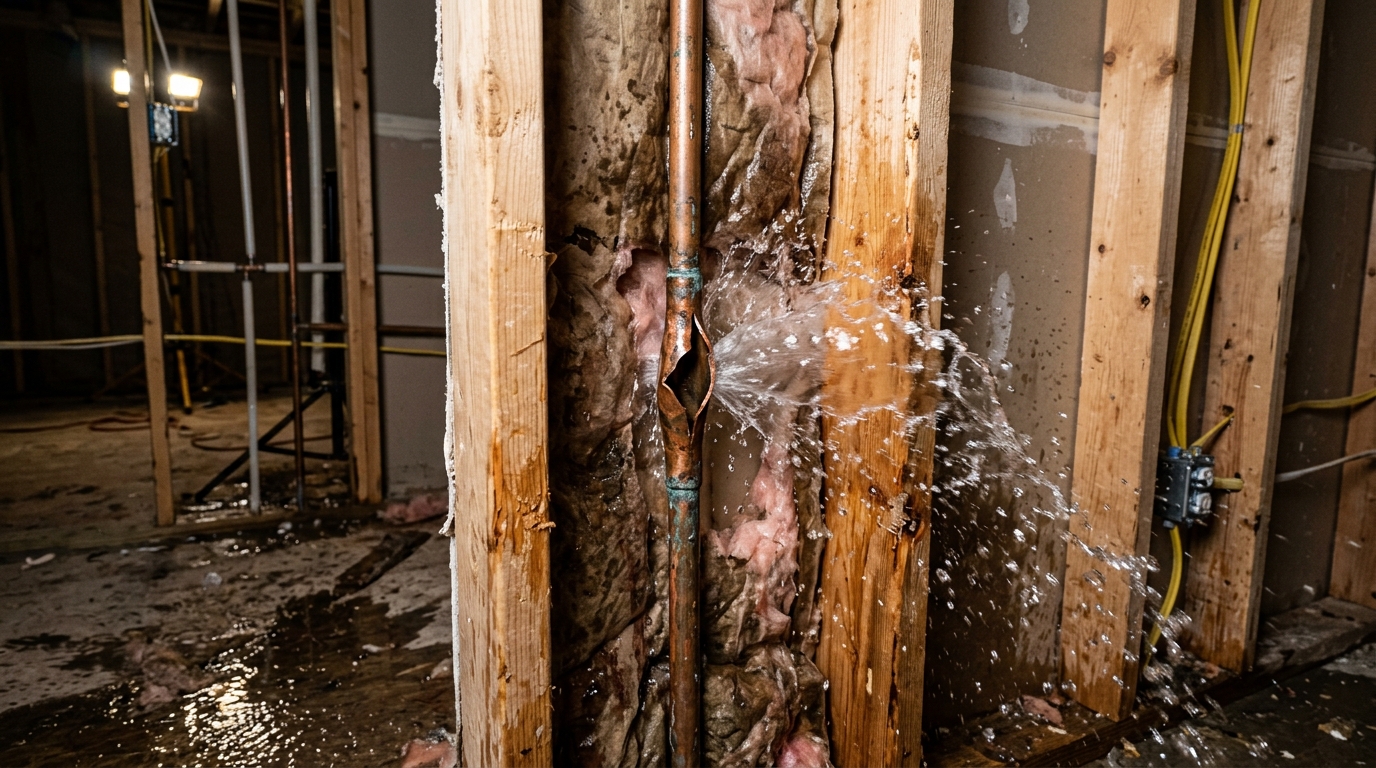
Wall Water Damage Restoration
Water can travel behind walls without being immediately visible, particularly after plumbing leaks, burst pipes, or roof and exterior water intrusion. Wall water damage restoration involves assessing affected areas and determining whether drywall, insulation, framing, or other materials have retained moisture.
Explore Service →Residential Water Damage Restoration
Water damage in a home can affect kitchens, bathrooms, bedrooms, living areas, flooring, walls, ceilings, and other parts of the property. Residential water damage restoration brings together the appropriate assessment, water removal, drying, cleanup, and restoration services based on the situation.
Explore Service →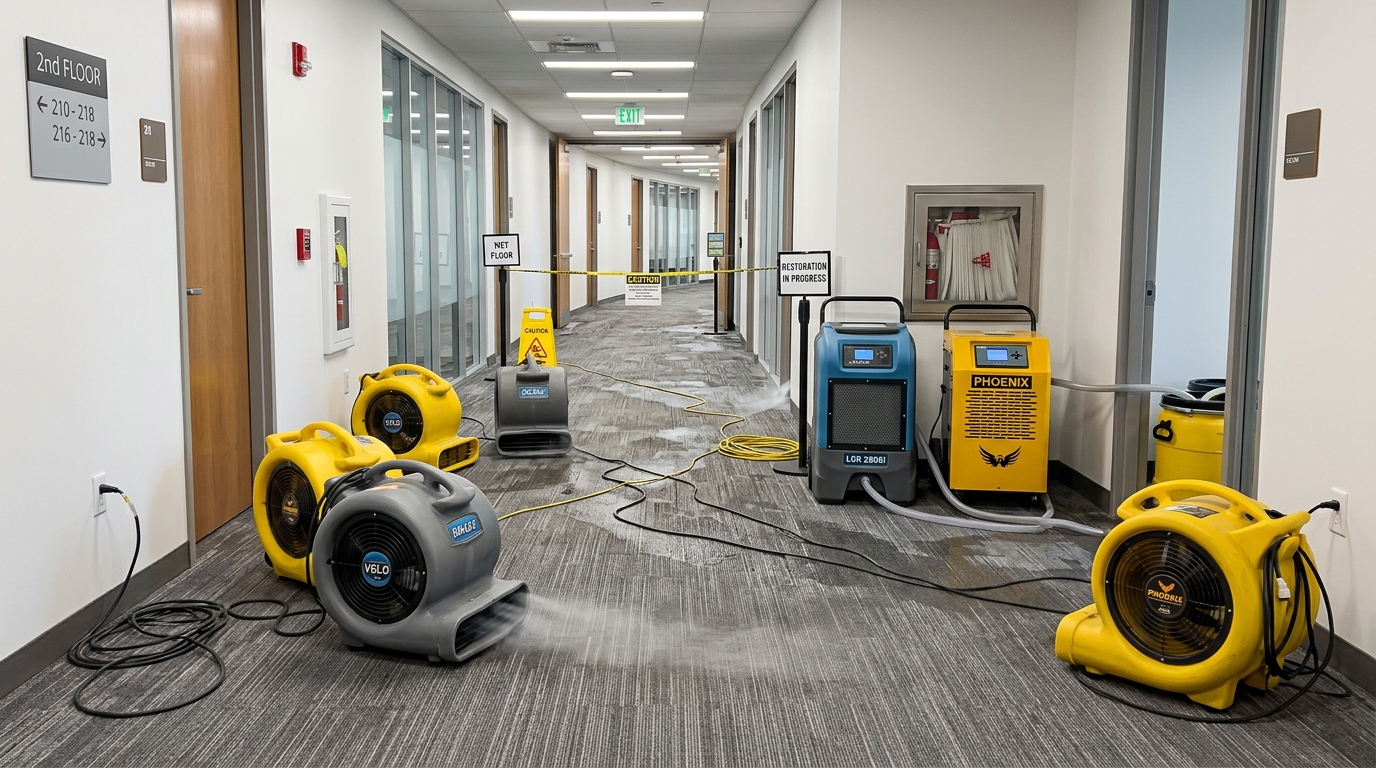
Commercial Water Damage Restoration
Scaled emergency water extraction and dehumidification services for commercial offices, retail centers, warehouses, and multi-family structures. We deploy high-capacity trailer drying units and coordinate operations to minimize business interruption and inventory loss.
Explore Service →Water Damage Classification & Safety Standards
Property water damage is categorized under three levels based on contamination risk. Understanding these categories dictates our drying procedures and safety measures:
Category 1: Clean Water
Originates from clean sources like broken water supply lines, tub overflows, or appliance line ruptures. Safest to handle, but must be extracted and dried quickly to prevent transformation into Category 2.
Category 2: Grey Water
Contains significant chemical, physical, or biological contamination. Common sources include dishwasher discharge, washing machine overflows, or sump pump failures. Requires specialized sanitizing agents.
Category 3: Black Water
Highly contaminated water containing pathogenic agents and harmful bacteria. Examples include sewage backups, rising river water, and wind-driven storm debris. Requires immediate evacuation and professional sanitization.