Part of our regional locations directory, we coordinate specialized water damage restoration services tailored to the local area.
Dealing with sudden water damage in your home can be stressful, whether it is from a burst pipe or a leaking roof. In Spring, Texas, our restoration team is ready to respond to your water damage restoration needs, bringing experience with the specific challenges of our local environment. The primary goal is to quickly remove the water, thoroughly dry out your property, and help you return to your normal routine with as little disruption as possible.
Addressing Unique Local Risks in Spring
Spring is known for its beautiful, towering pine trees and winding creeks, which give the area its unique charm. However, this dense tree canopy also creates localized humidity pockets that can trap moisture around your home. When water gets inside—whether from a severe Texas thunderstorm, a fallen branch damaging the roof, or an internal plumbing failure—the natural drying process is significantly slower here than in more open, sun-exposed areas. Simply opening windows or turning on ceiling fans is rarely enough to remove the moisture, making professional intervention not just helpful, but essential. Local creeks can also swell during heavy downpours, occasionally bringing water close to homes. The combination of high ambient humidity and sudden weather events means that properties in Spring need a highly efficient and focused approach to drying.
Recognizing the Signs of Hidden Water
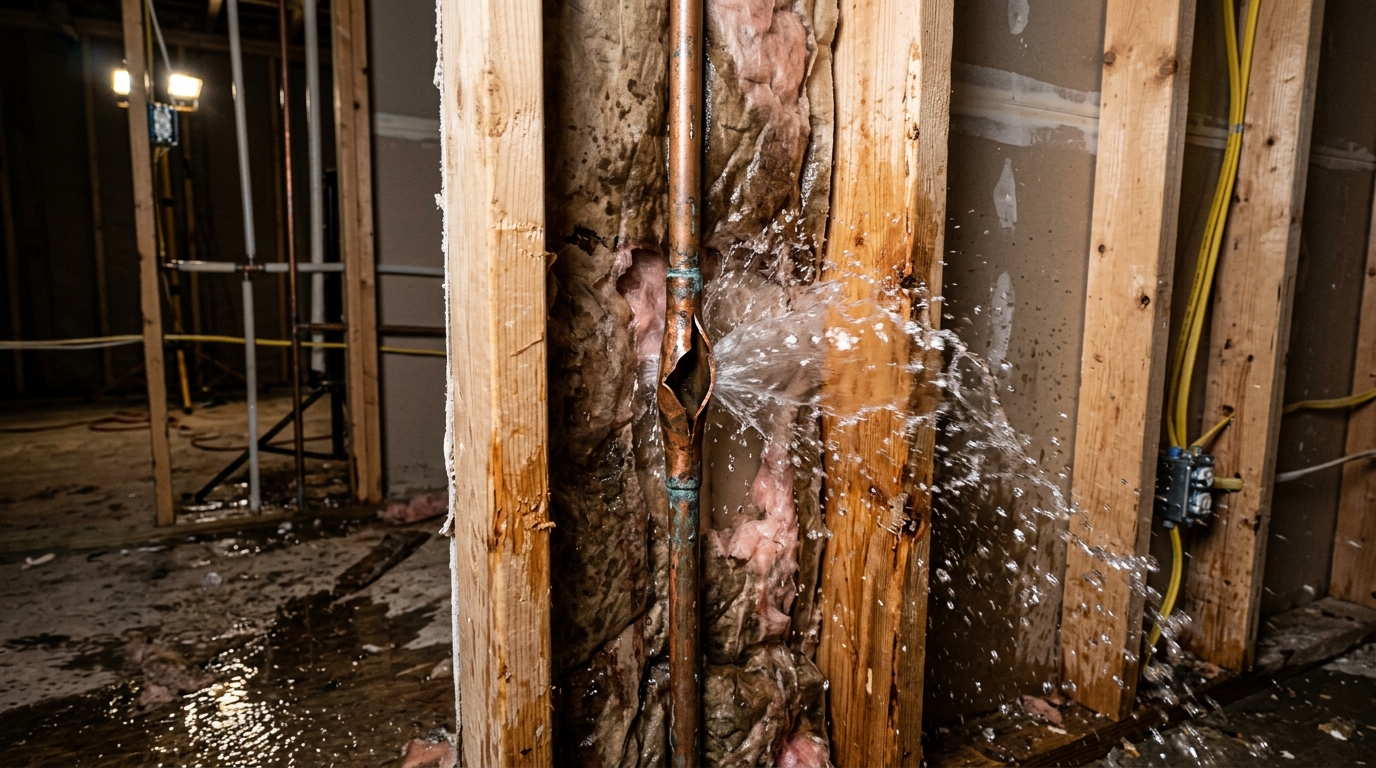
Water often travels far beyond what you can see on the surface. While a puddle on the kitchen floor is an obvious problem, moisture can easily spread behind walls, seep under floorboards, and wick upward into ceilings. If you notice a lingering musty smell, peeling paint, warped flooring, or newly formed discolored spots on your drywall, water is likely trapped inside the structure of your home. You might also notice baseboards separating from the wall or a spongy feeling when walking on certain areas of the floor. These are key indicators that professional extraction and drying are needed immediately to prevent further deterioration of the building materials.
Common Causes of Indoor Leaks
Homes in Spring experience water issues from a wide variety of sources. Frequent seasonal thunderstorms can lead to roof leaks, especially if heavy tree branches have caused unseen damage to shingles or flashing. Indoors, common culprits include failed washing machine hoses, overflowing air conditioning condensation pans (which are particularly active during our long, hot summers), and aging or poorly maintained water heaters. Even a small, steady drip from a bathroom fixture or a hidden pipe in the wall can cause significant moisture buildup over time if left unaddressed. No matter the source, the result is the same: unwanted water that needs to be removed promptly.
The Restoration Process Explained
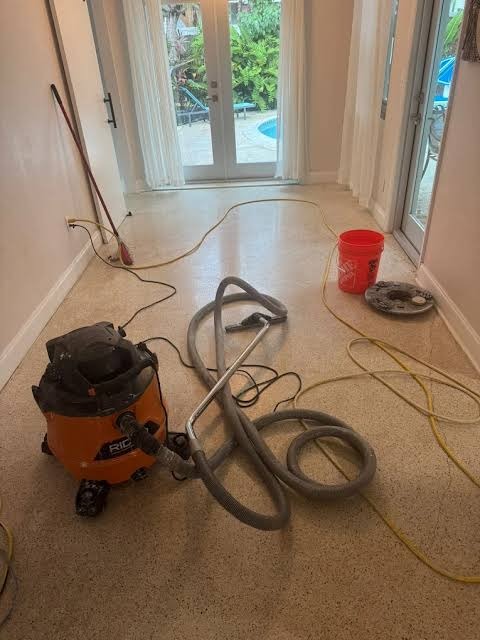
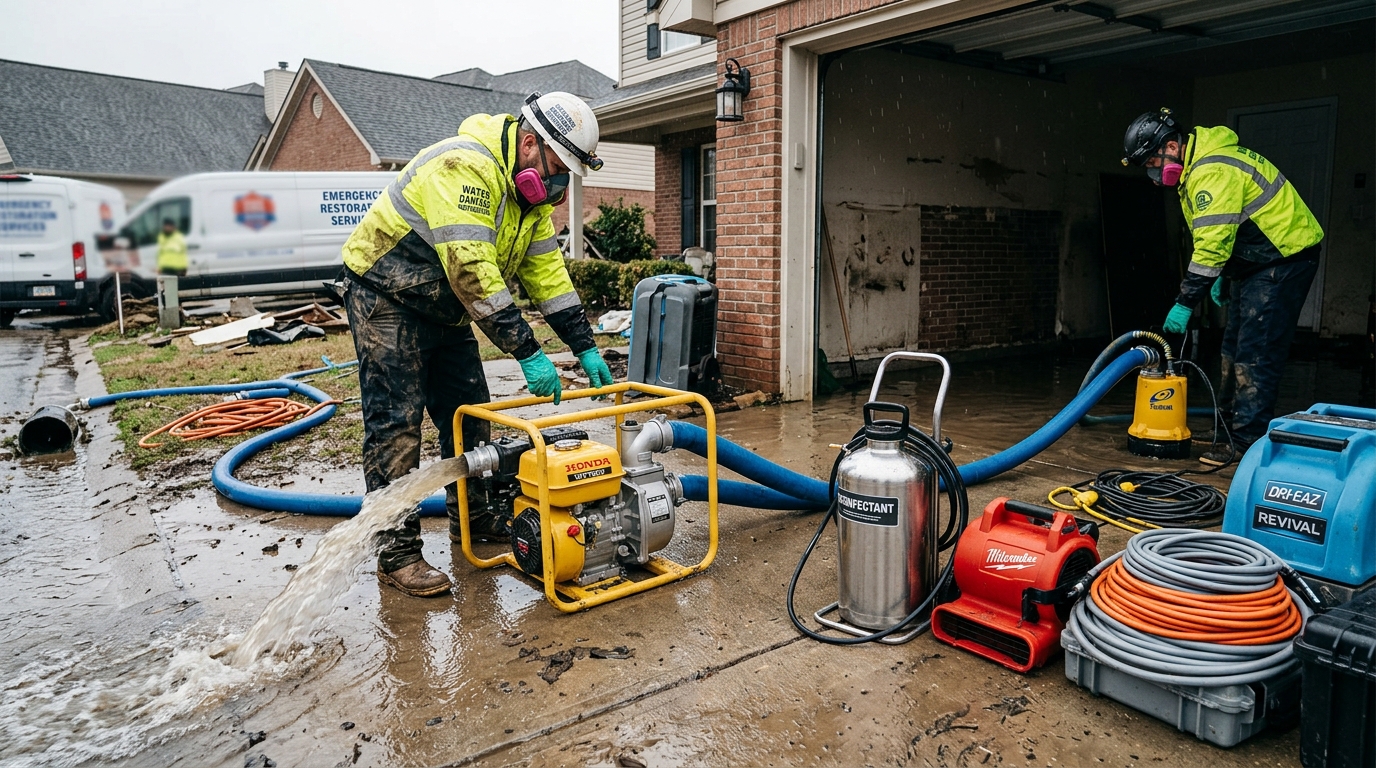
When the restoration team arrives at your property, the immediate priority is to stop the spread of water and begin the drying process to stabilize the environment. The first step involves removing any standing water using powerful, commercial-grade extraction equipment. Once the bulk of the surface water is gone, the focus shifts to the moisture that has been absorbed into your home’s building materials.
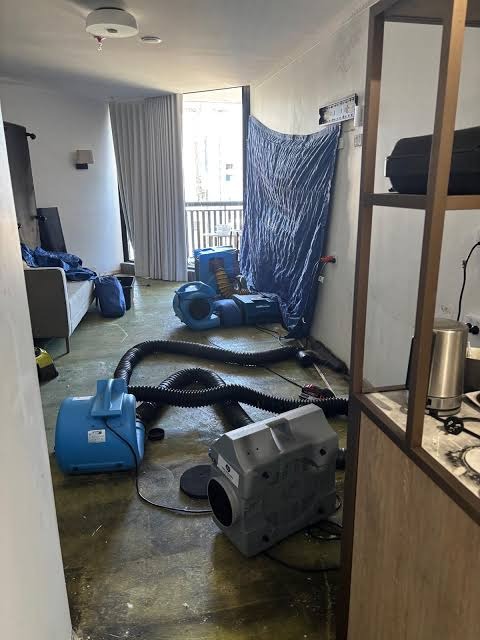
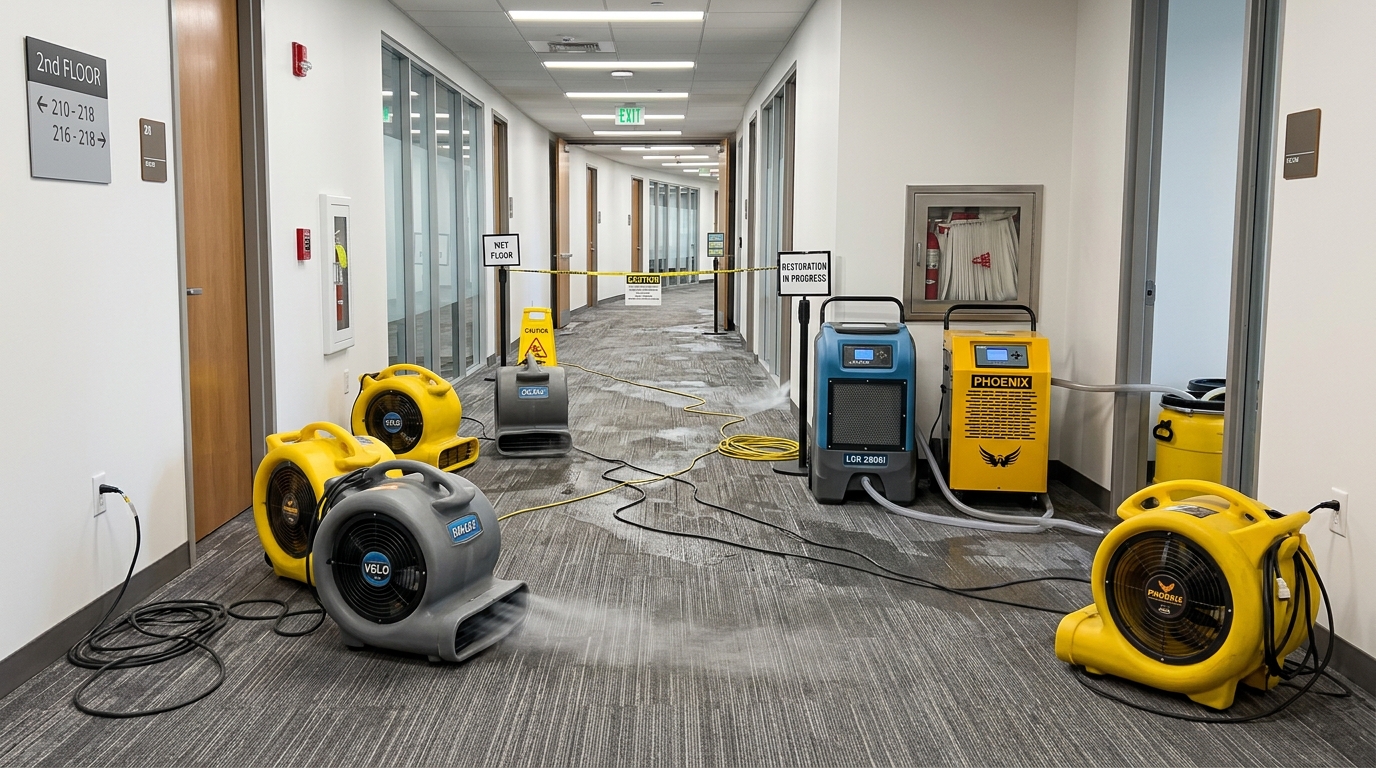
For effective structural drying, the technicians use a carefully calculated combination of commercial dehumidifiers and high-velocity air movers. The air movers are strategically placed to circulate the air and draw moisture out of wet drywall, wood framing, and flooring. The dehumidifiers then capture this airborne moisture and remove it from the environment. This continuous cycle encourages steady, thorough evaporation. The progress is monitored closely every day with specialized moisture-reading tools to ensure the affected area reaches a safe, dry baseline before the equipment is removed.
Materials That Need Immediate Attention
Water can quickly compromise the integrity of common building materials found in your home. Drywall, for example, acts like a sponge, drawing water upward from the floor and losing its structural strength. Hardwood floors can absorb moisture quickly and begin to cup, warp, or buckle if not dried properly. Carpets and their underlying padding can hold incredibly large amounts of water, becoming breeding grounds for odors and completely ruining the material if left wet. Getting to these materials promptly significantly increases the likelihood that they can be effectively dried and saved, rather than needing to be completely torn out and replaced.
The Risks of Waiting
Time is a critical factor when dealing with any indoor leak or water intrusion. The longer water sits, the deeper it penetrates into the structure of your home. Within just 24 to 48 hours, the humid environment created by the trapped moisture can lead to the growth of mold and mildew, which thrives in the warm, enclosed spaces of a damp house. Prolonged exposure to moisture can also cause wood framing to soften and rot, and drywall to crumble completely. What might start as a manageable cleanup can quickly turn into a much larger, more complicated, and far more costly repair project. Taking action early is the single best way to protect your property and ensure the safety of your home's interior.
Working Together Through the Process
We understand that dealing with unexpected water damage often involves navigating a complex homeowner's insurance claim. The restoration professionals we coordinate with are highly experienced in documenting the entire mitigation process. They will take detailed photos, map out the affected areas, and record daily moisture readings throughout the drying phase. This comprehensive documentation is invaluable when communicating with your insurance adjuster, ensuring they have a clear, objective understanding of the steps taken to protect and restore your home.
Services Tailored to Your Needs
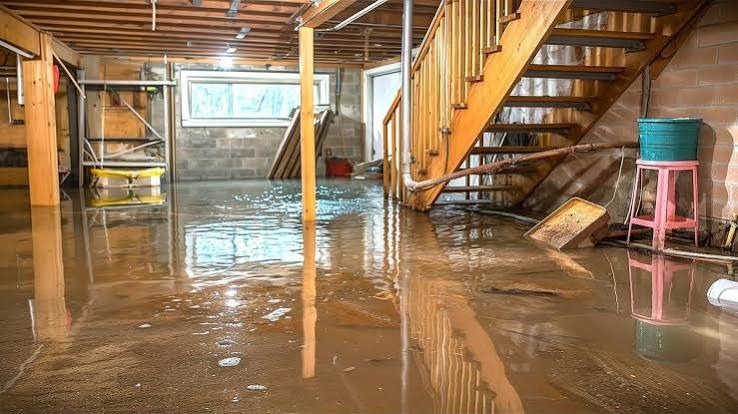
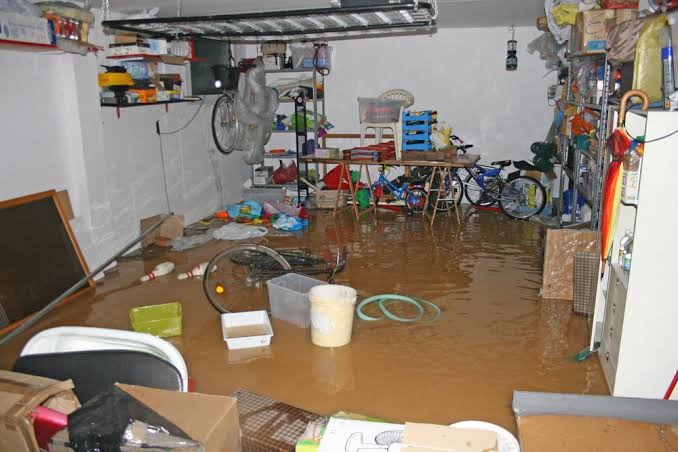
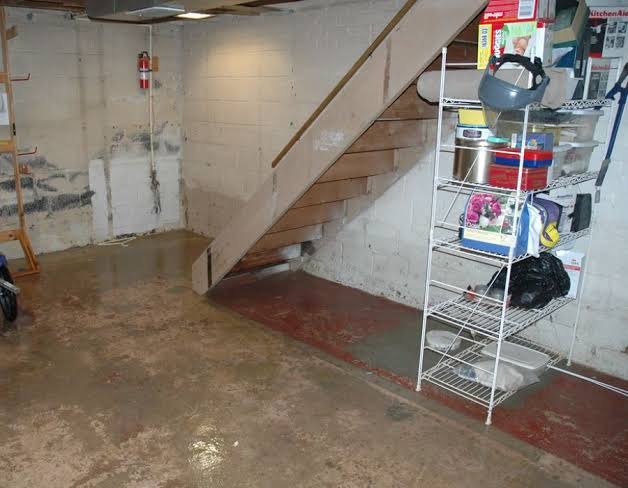
Depending on the nature of the issue you are facing, you may need a variety of targeted services. In addition to general water damage restoration, our network coordinates specific help for ceiling leaks, flooded basements, and delicate hardwood floor drying. No matter the source of the water or the extent of the problem, our local connections provide the right expertise to handle it smoothly. We also proudly extend our coordination efforts to nearby communities, including The Woodlands, Conroe, Houston, and Kingwood.
Your Next Steps
If you are currently dealing with a water leak, plumbing failure, or flooding in your Spring, TX home, do not wait for the problem to worsen. The longer water sits, the more damage it causes. Contact our local restoration team today. We are here to answer your questions, calmly assess your situation over the phone, and deploy the right services needed to safely extract the water, thoroughly dry your space, and begin the process of restoring your property.
Local Coverage, Zip Codes & Watershed Risks
Our restoration teams provide 24/7 rapid response across the entire local area, maintaining dedicated equipment staging for fast arrival.
- Zip Codes Served: 77373, 77379, 77388, 77389
- Major Corridors & Arterials: I-45, Grand Parkway (TX-99), Cypresswood Dr, Spring Cypress Rd, and Kuykendahl Rd
- Local Landmarks & Hubs: Old Town Spring, Meyer Park, Klein ISD community hubs, and Mercer Botanic Gardens
- Hydrological & Watershed Risk Profile: Cypress Creek & Spring Creek watershed flash flooding, clay subfloor saturation, and heavy pine forest humidity traps.
Whether your property has suffered a sudden pressurized plumbing leak or rising floodwaters, we deploy specialized water extraction, IICRC-certified structural drying in Houston, and targeted emergency water damage restoration tailored to local building codes and foundation types.