Water Damage Restoration Houston, TX
A burst pipe, overflowing appliance, roof leak, or sudden flooding can put water throughout your home before you have time to figure out what happened. Wet flooring, walls, ceilings, and other affected areas can continue to deteriorate if the water and moisture are left unaddressed.
Our Houston water damage restoration service focuses on identifying the affected areas, removing standing water, and drying the property to help prevent further damage. Whether the problem started with a plumbing leak, storm, flooding, or another source of water intrusion, the first step is getting the situation assessed.
Water Damage in Houston Can Spread Faster Than You Think —
Water damage does not always stay where you can see it. Standing water on a floor can move into flooring, subfloor materials, cabinets, and drywall.
A leak behind a wall or above a ceiling can leave hidden moisture that continues affecting the surrounding materials even after the visible water is gone. Wet drywall can absorb and hold moisture, while water under cabinets or beneath flooring can be difficult to see during a quick inspection. Ceiling leaks can also spread beyond the original stain, affecting insulation, walls, and other structural materials.
The longer moisture remains, the greater the chance of additional damage and conditions that can contribute to mold growth. That is why water damage restoration involves more than simply removing visible water. The affected areas need to be identified, water removed, and remaining moisture addressed through appropriate structural drying.
Finding the visible source of water is only part of the problem. The affected area also needs to be checked for moisture so that cleanup and drying address the full extent of the damage.
Any Water Damage Emergency ... Call Us on
+1 (832) 849-4218Drywall and walls
Water can travel through wall materials and leave moisture behind the surface.
Flooring and subfloors
Water can seep beneath flooring and become trapped underneath the visible surface.
Ceilings and insulation
A ceiling leak can affect drywall, insulation, and nearby structural materials.
Cabinets and surrounding areas
Water from sinks, appliances, or plumbing leaks can collect underneath cabinets and spread into adjacent materials.
Hidden spaces
Moisture can remain behind walls, under flooring, or inside other enclosed areas where it is difficult to detect without a closer assessment.
⚠️ Immediate Water Damage Safety Steps
If you are dealing with active water intrusion, take these precautions to protect your family and minimize structural damage while waiting for professional assistance. Safety should always be your primary concern when dealing with indoor flooding.
- Stop the Water Source: Shut off the main water valve immediately if it is safe to do so. This stops the flow of water and prevents the situation from worsening.
- Cut Electricity: Turn off electrical breakers in the affected rooms. Never enter rooms with standing water if the electricity is still active, as this poses a severe risk of electrocution.
- Protect Valuables: Move books, electronics, small rugs, and delicate furniture to dry areas. Wipe excess water from wood furniture to prevent water rings and swelling.
- Avoid Contaminated Water: Do not wade through water that could contain sewage, chemicals, or outdoor runoff. Contaminated water requires specialized handling and protective equipment.
What Type of Water Damage Are You Dealing With?
Water damage in Houston can come from a burst pipe, flooding, a ceiling leak, sewage backup, an appliance, or a major storm. Identifying the source helps determine what areas need to be checked, cleaned, removed, and dried.
Burst Pipe Water Damage
A burst or broken pipe can release a large amount of water quickly, affecting walls, flooring, ceilings, cabinets, and other areas of your Houston property. Water damage from a burst pipe should be addressed as soon as possible to limit the spread of moisture.
Burst Pipe Cleanup →Flood Damage
Flood water can enter through doors, windows, roofs, drainage problems, or other openings during heavy Houston rainfall and storms. Flood damage restoration in Houston can involve standing water removal, cleanup, moisture assessment, and structural drying.
Flood Damage Restoration →Ceiling Water Damage
A water-stained, bubbling, or dripping ceiling can indicate a plumbing leak, roof problem, or AC-related moisture. Ceiling water damage can extend beyond the visible area and affect drywall, insulation, and surrounding walls.
Ceiling Water Damage →Sewage Backup
A sewage backup can spread contaminated water across floors and into walls, bathrooms, cabinets, and other affected areas. Sewage cleanup in Houston requires careful removal of affected water and materials followed by appropriate cleaning and drying.
Sewage Cleanup →Appliance Water Damage
A leaking washing machine, dishwasher, water heater, refrigerator line, or other appliance can leave water around flooring, cabinets, and nearby walls. Even a localized appliance leak can leave hidden moisture underneath or behind surrounding materials.
Appliance Water Damage →Storm & Hurricane Water Damage
Houston storms and hurricanes can cause roof leaks, storm water intrusion, flooding, and widespread moisture inside a property. Storm water damage in Houston may affect roofing, ceilings, walls, flooring, insulation, and other structural materials.
Storm Water Damage →Water Damage Restoration Services in Houston, TX
Water damage restoration in Houston can involve much more than removing visible water. Depending on the source, affected materials, and extent of the damage, restoration may include emergency response, water removal, water extraction, moisture assessment, structural drying, cleanup, sanitization, and other restoration work. Our Houston water damage restoration services are organized around the specific work needed to address the affected property.
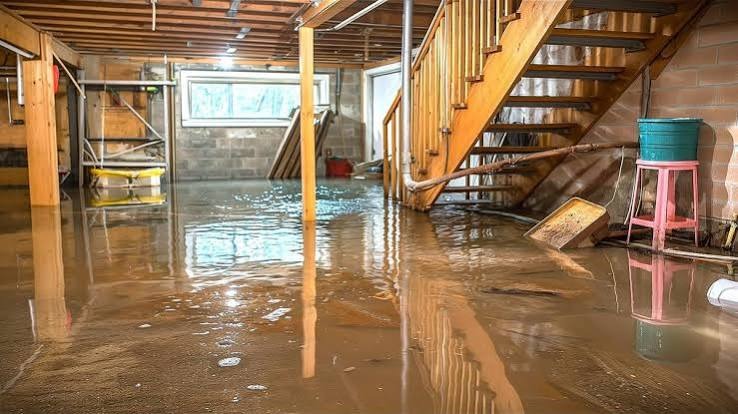
Emergency Water Damage Restoration
When water is actively entering a property, standing water is spreading, or a major leak has affected multiple areas, delaying action can allow moisture to travel into walls, flooring, ceilings, and other materials. Emergency water damage restoration focuses on assessing the situation, controlling the source when possible, removing water, and beginning the drying process.
Emergency Water Damage Restoration →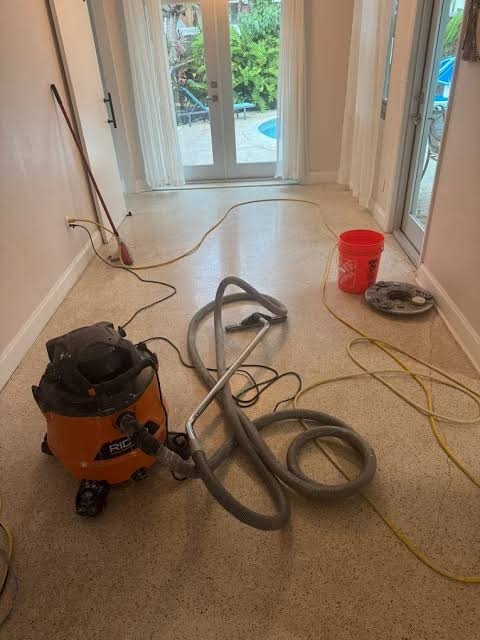
Water Extraction Services
Standing water can move into flooring, carpet, cabinets, drywall, and other porous materials if it remains in place. Water extraction uses appropriate equipment to remove accumulated water and reduce the amount of moisture that needs to be dried from the property.
Water Extraction Services →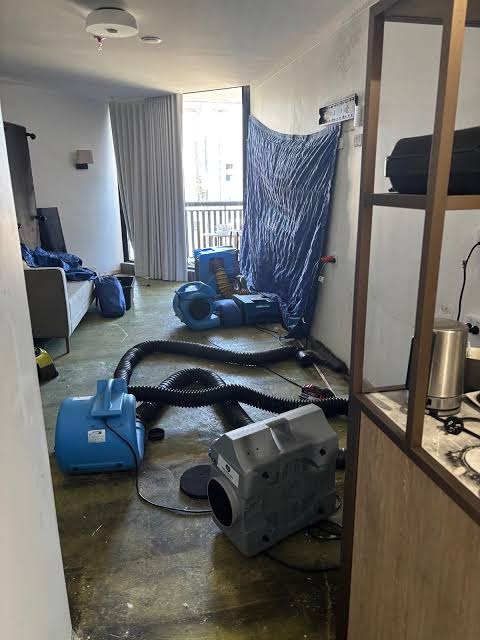
Structural Drying
Removing visible water does not necessarily mean the structure is dry. Moisture can remain inside drywall, insulation, subfloors, framing, and other building materials. Structural drying uses air movement, dehumidification, and moisture monitoring to help identify and reduce remaining moisture.
Structural Drying →Water Damage Mitigation
Water damage mitigation focuses on limiting the spread and severity of damage after a water event. This may involve identifying the source, removing standing water, protecting unaffected areas, assessing moisture, and determining which materials require drying, cleaning, or further attention.
Water Damage Mitigation →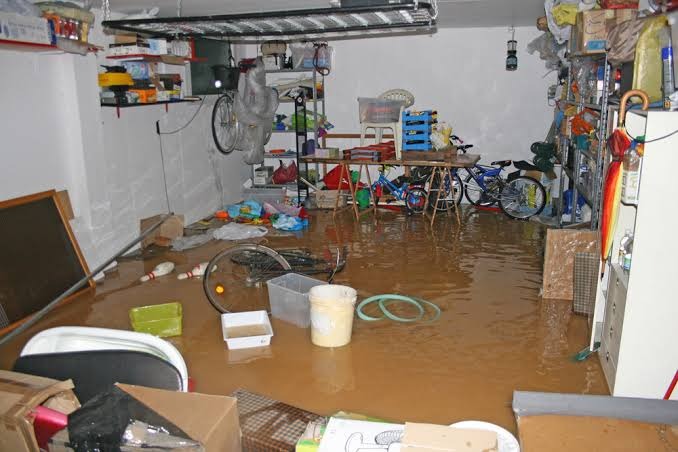
Flood Damage Cleanup
Flood water can affect large portions of a property and may contain debris or contaminants depending on where the water originated. Flood damage cleanup can involve water removal, affected-area cleanup, moisture assessment, and structural drying.
Flood Damage Cleanup →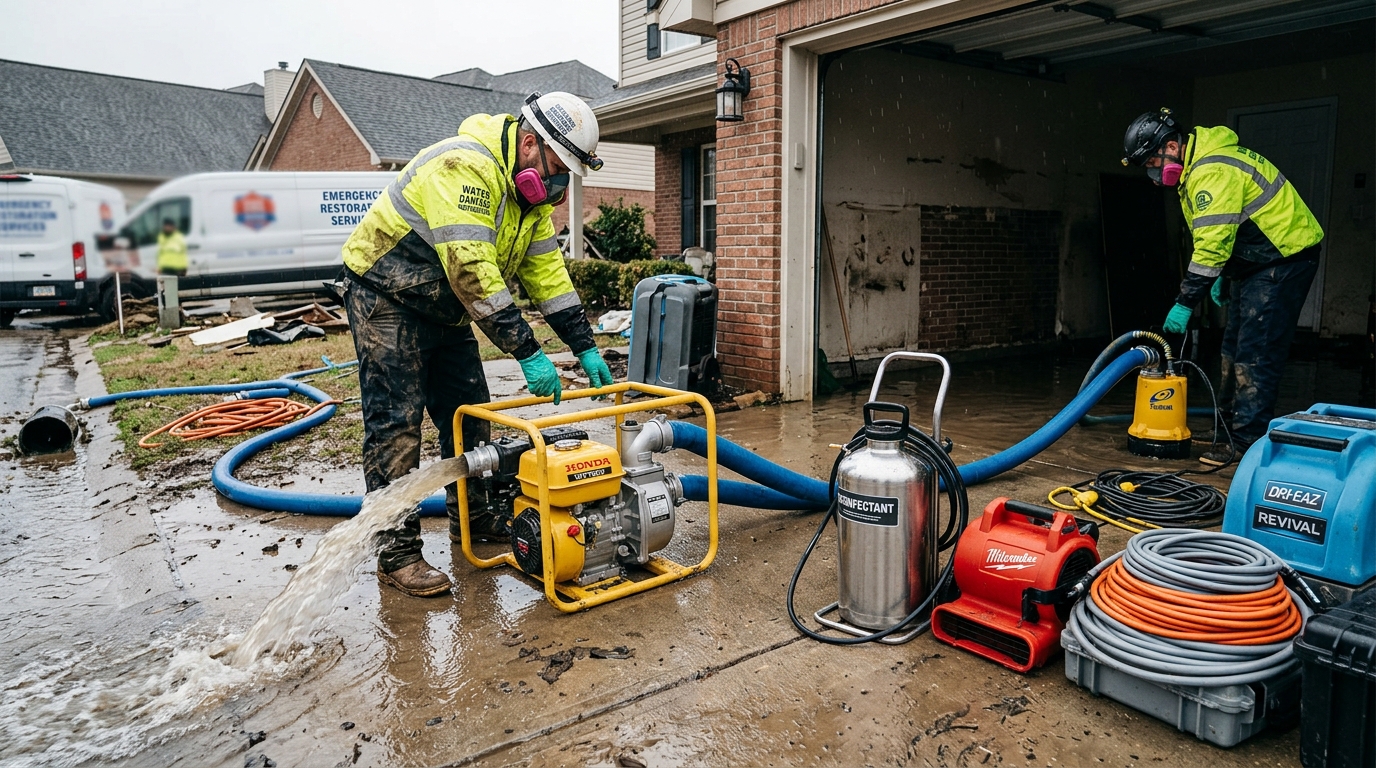
Storm Water Damage Restoration
Heavy rain, tropical storms, hurricanes, and wind-driven water can introduce moisture through roofs, windows, doors, walls, and other openings. Storm water damage restoration addresses the resulting water intrusion and the materials affected by it.
Storm Water Damage Restoration →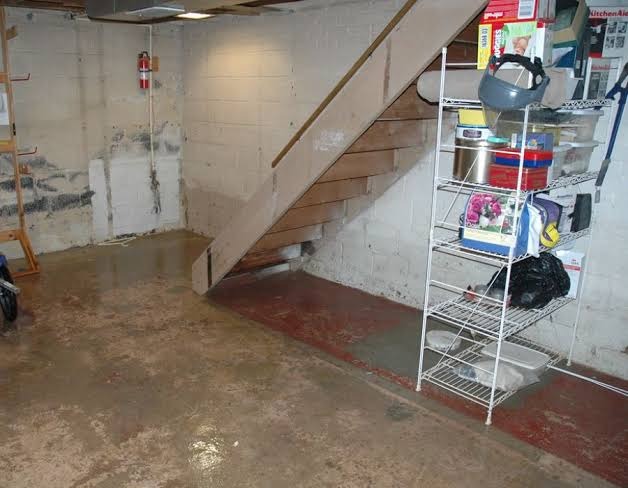
Burst Pipe Water Damage Cleanup
A burst pipe can release significant amounts of water in a short period, often affecting flooring, walls, ceilings, cabinets, and personal belongings. Cleanup begins with addressing the water source and removing accumulated water before affected areas can be properly dried.
Burst Pipe Water Damage Cleanup →Sewage Water Cleanup & Sanitization
Sewage backups require a different approach from clean-water plumbing leaks because wastewater can contain harmful contaminants. Cleanup may involve removing contaminated water and materials, cleaning affected surfaces, and sanitizing areas that have been exposed.
Sewage Water Cleanup & Sanitization →Ceiling Water Damage Restoration
Water stains, bubbling drywall, dripping ceilings, or damaged insulation can result from plumbing leaks, roof problems, HVAC condensation, or other sources above the affected area. Ceiling water damage restoration focuses on identifying the source and addressing moisture in the ceiling and surrounding materials.
Ceiling Water Damage Restoration →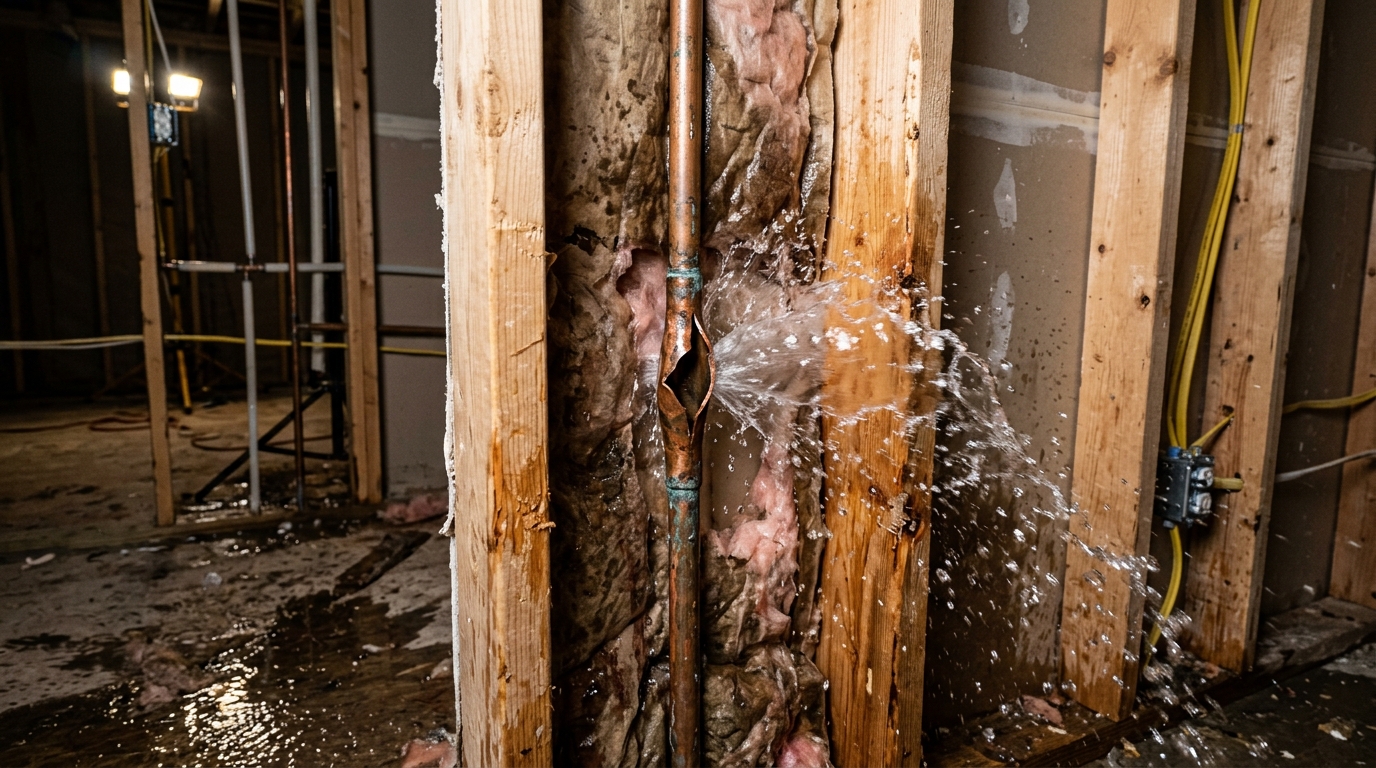
Wall Water Damage Restoration
Water can travel behind walls without being immediately visible, particularly after plumbing leaks, burst pipes, or roof and exterior water intrusion. Wall water damage restoration involves assessing affected areas and determining whether drywall, insulation, framing, or other materials have retained moisture.
Wall Water Damage Restoration →Residential Water Damage Restoration
Water damage in a home can affect kitchens, bathrooms, bedrooms, living areas, flooring, walls, ceilings, and other parts of the property. Residential water damage restoration brings together the appropriate assessment, water removal, drying, cleanup, and restoration services based on the situation.
Residential Water Damage Restoration →Water Damage Cleanup, Removal & Drying in Houston
Water damage restoration involves several different stages, and removing visible water is only part of the process. Water damage cleanup in Houston may involve removing standing water, extracting moisture from affected materials, cleaning impacted areas, and drying the structure. The appropriate approach depends on where the water came from and how far it has spread.
Water Damage Cleanup
Water damage cleanup focuses on addressing areas affected by a leak, flood, overflow, or other water event. Depending on the situation, cleanup may involve removing damaged materials, cleaning affected surfaces, addressing debris, and preparing the property for drying and restoration.
Water Damage Cleanup Houston →Water Removal
Water removal in Houston focuses on getting standing water out of the affected area. Water may collect on floors, inside rooms, beneath cabinets, or in other low areas after a burst pipe, flood, appliance leak, or plumbing problem.
Removing standing water early can help limit how much moisture is absorbed by flooring, drywall, furniture, and other materials.
Water Removal Services →Water Extraction
Water extraction goes beyond simply removing visible puddles. Water can remain in carpet, flooring, upholstery, and other porous materials after the surface appears dry. Water extraction services use appropriate equipment to remove accumulated water and moisture from affected areas.
Water Extraction Services →Structural Drying
A property can look dry while moisture remains inside drywall, insulation, subfloors, framing, or other building materials. Structural drying in Houston focuses on reducing this remaining moisture through controlled air movement, dehumidification, and moisture monitoring.
Proper drying is an important part of preventing ongoing moisture-related problems after water damage.
Structural Drying →Why the Difference Matters
Cleanup, water removal, extraction, and structural drying are related but serve different purposes. A small localized leak may require limited cleanup and drying, while a major flood or burst pipe can require extensive water removal, extraction, moisture monitoring, and structural drying.
The goal is not simply to make the visible water disappear. The affected areas need to be assessed so that remaining moisture can be addressed appropriately.
Why Water Damage Happens in Houston Homes
Houston properties face several water-damage risks that are closely tied to the local climate, construction, and weather. A plumbing leak beneath a concrete slab, heavy rainfall around a property, an overflowing AC condensate drain, or moisture trapped in a humid attic can all create problems that are not immediately visible.
Slab Foundations & Plumbing Leaks
Many Houston homes are built on concrete slab foundations, which means plumbing lines can run beneath or through the foundation. When a pipe develops a leak beneath the slab, water may begin moving into the surrounding soil or upward into the structure.
A slab leak can be difficult to identify because the source may be hidden beneath the floor. Signs can include unexplained damp flooring, warm or wet spots, unusually high water usage, musty odors, or moisture appearing near walls and baseboards.
Houston's shifting soil can also place stress on underground plumbing over time. When pipes beneath a foundation leak, the resulting moisture can affect flooring, walls, cabinets, and other areas of the home.
Houston Storms & Flooding
Heavy rainfall, tropical storms, and hurricanes can introduce large amounts of water around Houston properties in a short period. Storm runoff can collect around buildings, enter through damaged roofs or openings, or overwhelm local drainage systems.
Houston's network of bayous and drainage channels plays an important role in managing stormwater, but intense rainfall can still create localized flooding and standing water.
Flooding can affect more than the visible areas of a property. Water entering through floors, walls, doors, windows, or the roof can move into drywall, flooring, insulation, cabinets, and other building materials.
Air Conditioner Condensation & Ceiling Leaks
Houston's long cooling season means HVAC systems operate frequently, creating another potential source of water problems. An AC condensate system normally collects and drains moisture produced as the air conditioner removes humidity from indoor air.
A blocked condensate drain, overflowing drain pan, or damaged HVAC component can allow water to collect in an attic or around the air conditioning system. From there, moisture can reach the ceiling, insulation, and drywall below.
A ceiling stain does not always mean the roof is leaking. Plumbing problems and HVAC condensation can produce similar signs, so the source of the moisture needs to be identified before damaged materials are repaired.
Houston Humidity & Hidden Moisture
Houston's high humidity can make moisture problems more persistent, particularly when water becomes trapped inside drywall, flooring, insulation, cabinets, or other enclosed areas.
After a leak or flood, a property can appear dry while moisture remains behind walls or beneath flooring. Poor ventilation can make it harder for these areas to dry naturally.
Persistent moisture can contribute to mold growth and deterioration of affected materials. This is why water damage assessment should consider both visible water and moisture that may be hidden inside the structure.
For Houston homeowners, identifying where the water came from is only the beginning. The affected materials and surrounding areas also need to be checked so that cleanup and drying address the moisture that may not be visible.
How Water Damage Restoration Works in Houston
Water damage restoration is more than removing water from a floor. The process involves identifying where the water came from, determining how far moisture has spread, removing accumulated water, drying affected materials, and addressing areas that may not be visibly damaged.
The exact work depends on whether the property has a plumbing leak, burst pipe, roof leak, appliance failure, sewage backup, flood, or storm water intrusion.
Assess the Damage
The process begins with an inspection of the affected areas. The source of the water, the type of water involved, and the materials exposed to moisture all help determine what needs to be addressed.
Water may be visible on floors while additional moisture remains inside walls, beneath flooring, around cabinets, or in ceilings. The affected area needs to be assessed beyond the point where water is immediately visible.
Identify & Stop the Source
Before restoration can progress, the water source needs to be identified and controlled when possible.
The source may be a plumbing leak, burst pipe, roof leak, appliance failure, sewage backup, or storm water intrusion. If water continues entering the property, removing standing water alone will not solve the underlying problem.
Depending on the situation, the source may need to be addressed by a plumber, roofer, HVAC professional, or other appropriate contractor.
Remove Standing Water
Once the water source is controlled, accumulated water can be removed from the affected areas.
Water removal and extraction may involve pumps, wet vacuums, or other appropriate extraction equipment. Removing standing water helps reduce the amount of moisture that can continue spreading into flooring, drywall, furniture, cabinets, and other porous materials.
Water extraction can also be necessary when carpet, flooring, or other materials have absorbed water even after visible standing water is gone.
Dry the Structure
Removing visible water does not necessarily mean the property is dry. Moisture can remain inside drywall, flooring, subfloors, insulation, framing, and other building materials.
Structural drying uses controlled air movement and dehumidification to reduce remaining moisture. Air movers and dehumidifiers can help move moisture out of affected materials and into the surrounding air, where it can be removed.
Clean & Sanitize
The appropriate cleaning process depends on the source and condition of the water.
Water from a clean plumbing supply line is different from contaminated water or sewage. Areas exposed to sewage or other contaminated water may require additional cleaning and sanitization, along with removal of materials that cannot be appropriately cleaned.
Cleaning can also address affected surfaces, debris, and other materials remaining after water removal.
Monitor Moisture
Drying should not be based only on how a surface looks or feels. Hidden moisture can remain behind walls, underneath flooring, inside insulation, or in other areas that are difficult to see.
A moisture meter can help identify moisture levels in affected materials and track drying progress. Monitoring helps determine whether additional drying is needed rather than assuming the property is dry because visible water has disappeared.
Restore Affected Areas
Once affected areas have been properly addressed and remaining moisture has been reduced, the restoration of damaged materials can begin.
Depending on the extent of the damage, this may involve walls, ceilings, flooring, cabinets, drywall, insulation, or other portions of the property. Some materials may be cleaned and dried, while severely damaged materials may require removal and replacement.
How Long Does Water Damage Take to Dry?
There is no single drying time for every property. The timeframe depends on the amount of water, how long materials were exposed, the type of materials affected, indoor conditions, and how much moisture remains inside the structure.
A property can look dry while moisture is still present beneath flooring or inside walls. That is why moisture assessment and monitoring are important parts of the restoration process.
How Is Hidden Moisture Detected?
Hidden moisture may be present behind drywall, beneath flooring, inside insulation, or around cabinets even when there is no visible standing water. Moisture measurement equipment can help identify areas that require additional attention.
The goal of water damage restoration is not simply to remove what can be seen. The affected structure needs to be assessed, dried, and restored based on the extent of the actual moisture damage.
Residential Water Restoration Houston, Tx
Water damage in your home disrupts your daily life and causes stress. We handle water intrusion across all residential living spaces, focusing on protecting your property and providing peace of mind.
- • Kitchens: Dishwasher supply line leaks, refrigerator ice maker issues, and sink overflows.
- • Bathrooms: Toilet overflows, shower drain leaks, and broken vanity pipes.
- • Attics & Ceilings: Roof leaks during heavy storms and HVAC drip pan overflows.
- • Living Areas: Hardwood floor drying and drywall moisture removal.
We treat your home with care, focusing on comprehensive dry-out processes to prevent long-term issues like wood rot or structural decay. Learn more about our restoration team.
Commercial Water Damage Restoration Houston, tx
For businesses, water damage means interrupted operations and potential revenue loss. We work efficiently to manage commercial restoration projects, aiming to get your doors open as safely and quickly as possible.
- • Office Buildings: Addressing multi-story pipe bursts, bathroom plumbing failures, and ceiling leaks.
- • Retail Centers: Extracting water quickly to protect inventory and dry showroom floors.
- • Warehouses & Facilities: Managing large open areas and standing water on concrete slabs.
- • Property Management: Coordinating with managers for apartment complexes and rental properties.
Commercial spaces often require specialized equipment to handle larger volumes of water and broader square footage.
Water Damage Restoration in Houston Neighborhoods
Water damage can affect homes, apartments, and commercial properties throughout Houston, with the cause and extent varying by property and location. Plumbing leaks, burst pipes, roof leaks, HVAC condensation, appliance failures, heavy rainfall, and flooding can all introduce water into a building. Depending on where the water travels, it may affect drywall, ceilings, flooring, cabinets, insulation, or other structural materials. Our water damage restoration services cover Houston neighborhoods including Meyerland, Westbury, Sharpstown, Gulfton, Bellaire, Alief, Braeswood, Memorial, Spring Branch, and Uptown, with restoration needs assessed based on the source of the water and the materials affected.
Water Damage Restoration Near Houston
Water damage restoration needs can extend beyond Houston into surrounding communities throughout the greater Houston area. Properties in these areas can experience plumbing leaks, burst pipes, flooding, storm water intrusion, roof leaks, appliance failures, and other sources of water damage. Service availability and restoration needs can vary by location, so each property should be assessed based on the water source, affected materials, and extent of moisture.
Water damage restoration services may serve communities including:
Why Choose Water Cleanup Pros?
One crew from start to finish. The technician who evaluates your property is the one who confirms moisture baseline standards before sign-off.
As dedicated water damage repair contractors in Houston, we provide complete transparency from initial emergency water removal to final structural verification.
One phone call starts the clock
Whoever answers is actively assisting, not just taking a message: your address, what is leaking or spreading, and a realistic arrival window get settled in that first conversation, along with immediate safety guidance before our team arrives, such as shutting off the main water valve and isolating electrical breakers for wet areas.
Getting clear details early allows our field crews to arrive with the right commercial extraction pumps and drying equipment ready to deploy immediately. Choosing dependable water damage repair contractors in Houston ensures you receive calm, knowledgeable direction during the most critical first hour of water intrusion.
Trace it, stop it, pull it out, dry it
On site, we trace where the water started and how far moisture has traveled—whether that is up through a concrete slab, out of an attic AC condensate line, or hidden behind insulated walls—and close off or isolate the break wherever possible.
A room-by-room moisture meter survey logs every wet zone, including pockets hiding behind cabinets and under flooring, then we extract standing water and position high-velocity air movers and commercial dehumidifiers to pull moisture out of framing and subfloors before Houston humidity turns it into mold. Anything soaked past saving is carefully removed and documented along the way.
The documented proof that it is actually dry
Dry underfoot proves nothing on its own: our restoration work concludes only when daily moisture meter readings and psychrometric logs confirm that internal moisture levels have returned to normal baseline ranges for each specific building material.
When you look for the best water damage restoration company, empirical proof of structural dryness provides absolute confidence that hidden moisture will not cause structural rotting, warped baseboards, or future microbial growth down the road.
Water Damage Restoration Across Houston ZIP Codes
Water does not care what part of town a home is in, and neither do we. Requests come in from all across Houston, including areas covered by ZIP codes such as 77002, 77019, 77024, 77025, 77035, 77036, 77057, 77063, 77072, 77077, 77081, and 77096, along with the neighborhoods that sit inside them.
That range covers a lot of different housing, from high rise units downtown near 77002 to older single story homes further out toward 77072 and 77077, and each one tends to run into its own version of the same problem. Homes closer in around 77019 and 77024 often deal with aging plumbing and older roofing catching up with them. Out toward 77035, 77036, 77081, and 77096, slab foundations and heavy clay soil underneath put steady pressure on pipes running through the floor. Wherever your home falls on that map, the response and the process stay the same.
Restoration Resources & Property Protection
Learn more about how to manage moisture issues and protect your property from water damage.
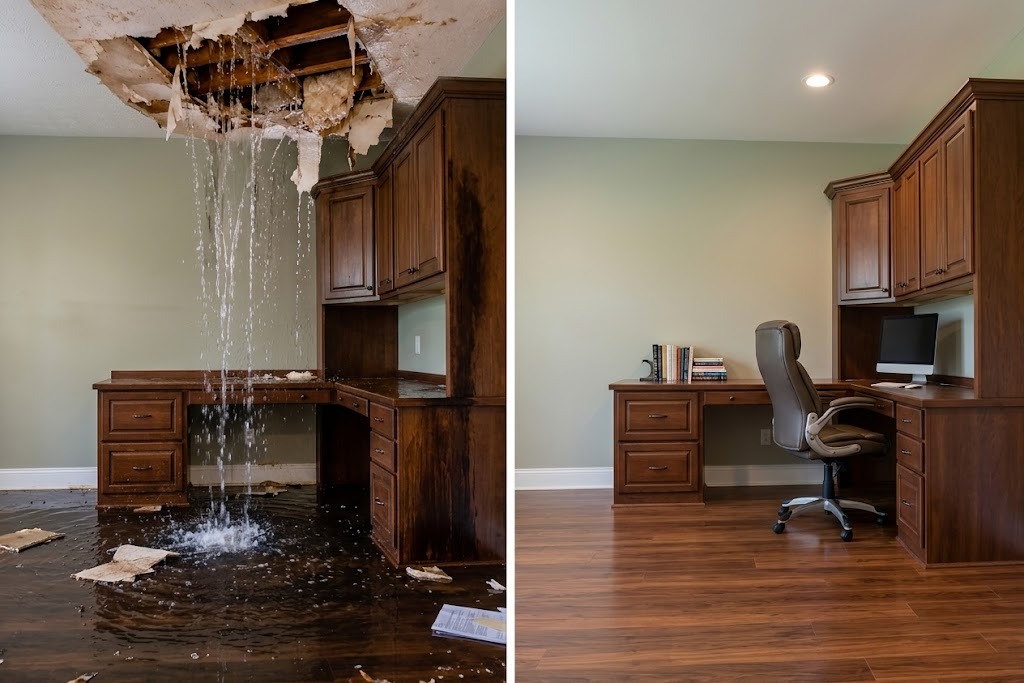
Recent Water Damage Restoration Projects in Houston
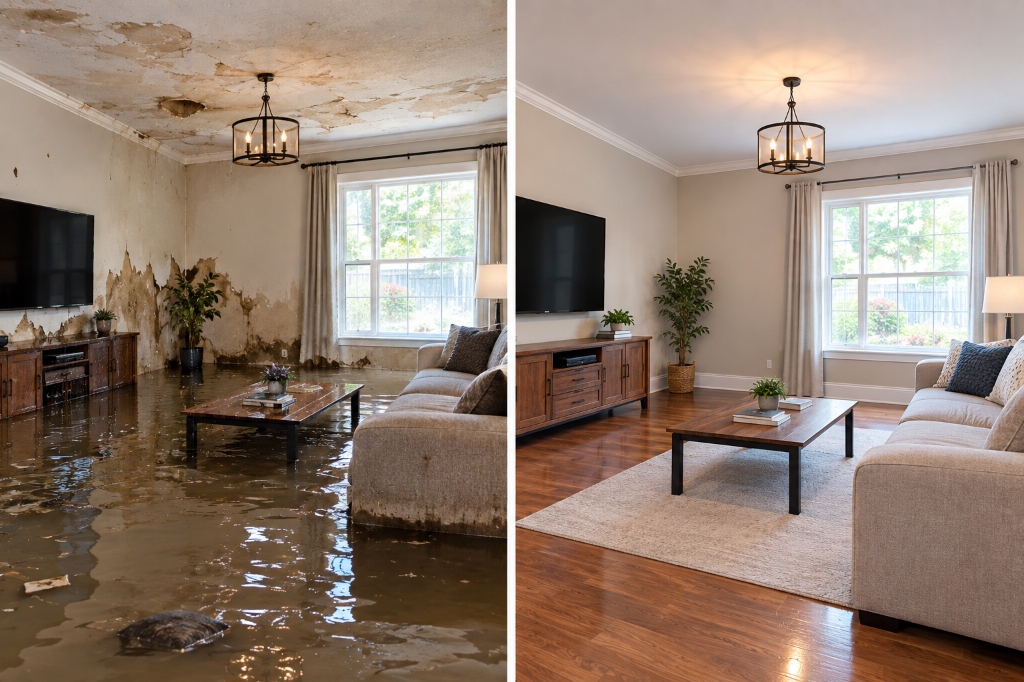
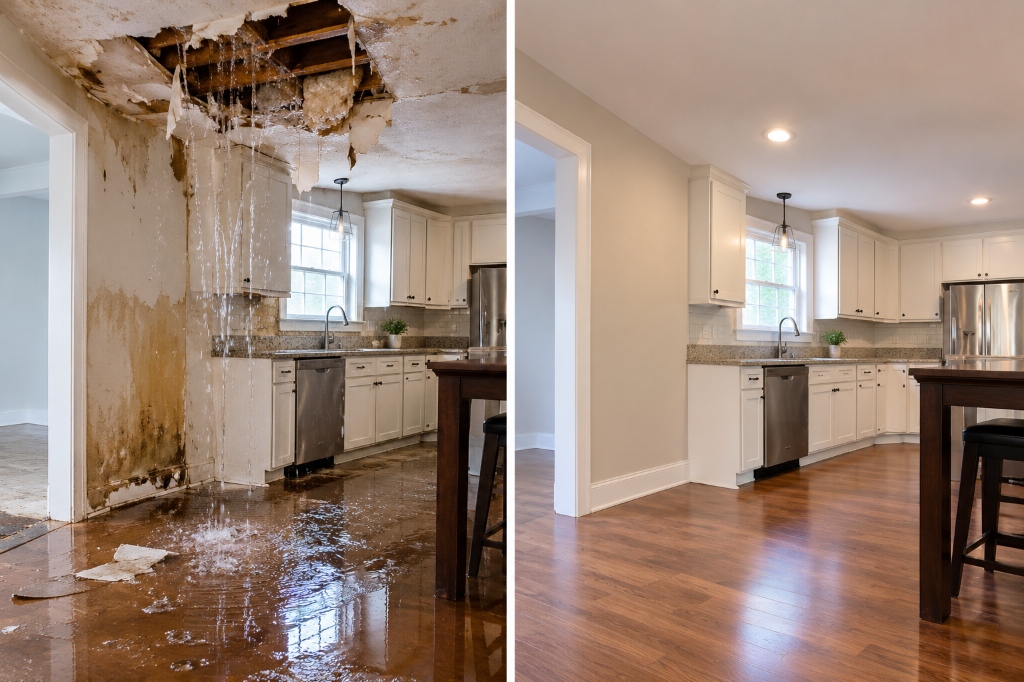
Every water damage situation is different. The source of the water, affected materials, and extent of moisture determine what restoration work is needed. The examples below show how water damage restoration is handled in real Houston properties, using actual project photos and details from completed work.
Frequently Asked Questions About Water Damage Restoration in Houston
Got questions about our restoration services? Here are common inquiries we receive from Houston homeowners and property owners.
(832) 849-4218 →Water damage restoration can include assessing the affected areas, identifying the water source, removing standing water, extracting moisture, drying the structure, cleaning affected areas, and addressing damaged materials. The exact work depends on the source and extent of the water damage.
Water damage should be addressed as soon as possible. Standing water and moisture can spread into flooring, drywall, cabinets, insulation, and other materials. Prompt water removal and drying can help limit the extent of the damage.
Water removal generally refers to getting standing or accumulated water out of a property. Water extraction can also involve removing water absorbed into materials such as carpet, flooring, and other porous surfaces. Both can be part of the restoration process.
Drying time varies depending on the amount of water, affected materials, indoor conditions, and how much moisture remains in the structure. Drywall, flooring, insulation, and subfloors can require different drying times, so moisture levels should be monitored rather than relying only on how surfaces look.
Yes. Moisture can remain behind drywall or inside other building materials after visible water has disappeared. Moisture measurement equipment can help identify areas where hidden moisture may still be present.
Sometimes. Whether wet drywall can be retained depends on the amount and duration of water exposure, the condition of the material, and the type of water involved. Materials that are severely damaged or contaminated may require removal.
If it is safe to do so, stop the water source and avoid electrical hazards in wet areas. Remove valuables from the affected area when possible, document the damage, and arrange for water removal and drying if significant water has entered the property.
Flood water can contain dirt, debris, and other contaminants, particularly when it enters a property from outside. Professional assessment and cleanup may be appropriate when flooding has affected flooring, walls, insulation, furniture, or other building materials.
Yes, commercial water damage restoration in Houston can involve offices, retail properties, restaurants, tenant spaces, warehouses, and other commercial buildings. The restoration approach depends on the source of the water and the areas and materials affected.
Emergency water damage restoration addresses situations where a major leak, burst pipe, flooding, or other water event has affected a property and requires prompt attention. The first priorities are identifying the source, assessing the affected areas, and addressing standing water and moisture.
Water damage restoration services cover Houston neighborhoods and surrounding areas depending on service availability. Existing local coverage includes areas such as The Heights, Midtown, River Oaks, Downtown Houston, Kingwood, and Memorial, along with other parts of the Houston area.
You can request water damage restoration by contacting the company and explaining what happened, where the water is located, and whether the water is still entering the property. Providing details about a burst pipe, flood, ceiling leak, sewage backup, appliance leak, or storm damage can help determine the appropriate next step.