Part of our regional locations directory, we coordinate specialized water damage restoration services tailored to the local area.
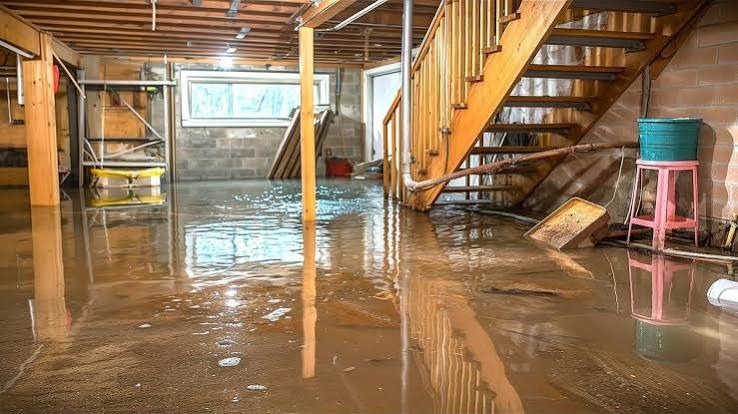
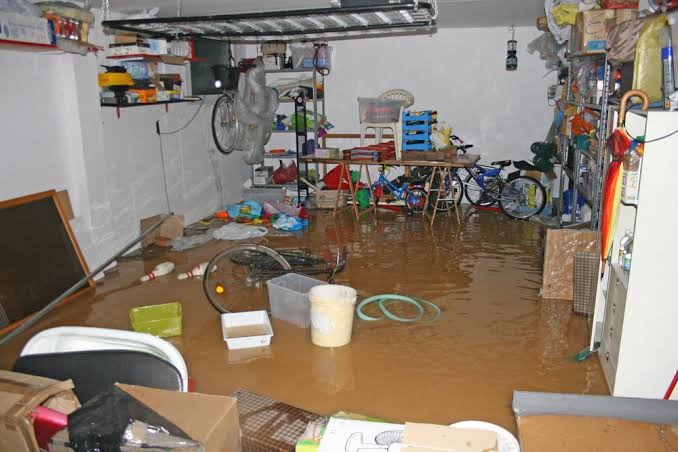
When water enters your Houston home or business unexpectedly, it disrupts your daily life and can threaten the integrity of your property. Whether you are dealing with an overflowing appliance, a broken pipe, or water intrusion after a heavy Gulf storm, the priority is to remove the water and begin the water mitigation process as quickly as possible. Our local emergency water damage restoration teams are available around the clock to help property owners in Houston regain control of the situation and restore their spaces to a safe, comfortable condition.
Who Needs Professional Water Restoration?
Those in need of residential water damage restoration or commercial water damage restoration in Houston face unique challenges when it comes to water damage. The naturally high humidity of the region means that wet materials do not dry easily on their own. If you have standing water in your living room, damp carpets in your office building, or water stains appearing on your ceiling, you need a professional team to extract the moisture properly. Even a seemingly minor leak under a kitchen sink can lead to significant issues if the surrounding drywall and cabinetry absorb the water.
Signs of Hidden Water Issues
Sometimes, the source of the water is obvious, like a burst pipe spraying in the hallway. Other times, the signs are more subtle. Property owners should be mindful of:
- Unexplained spikes in water bills.
- Musty odors that persist even after cleaning.
- Warped or cupping hardwood floors.
- Discoloration or water rings on ceilings and walls.
- Baseboards that appear swollen or are separating from the wall.
In Houston, many homes are built on slab foundations. When plumbing pipes beneath the concrete leak, the water often travels upward into the living space, soaking into flooring and walls long before the leak itself is discovered.
Common Causes of Water Intrusion in Houston
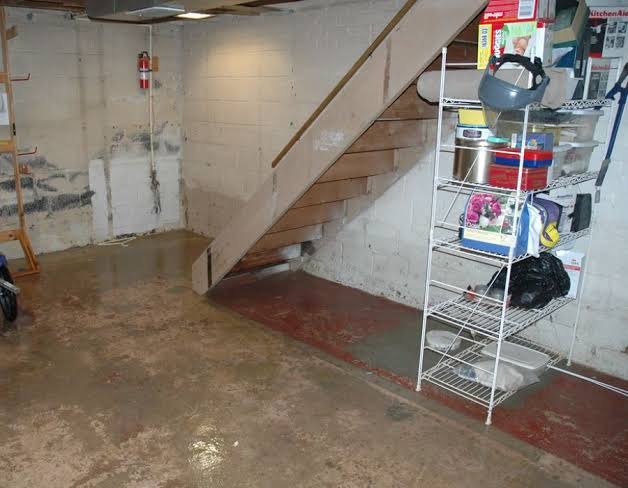
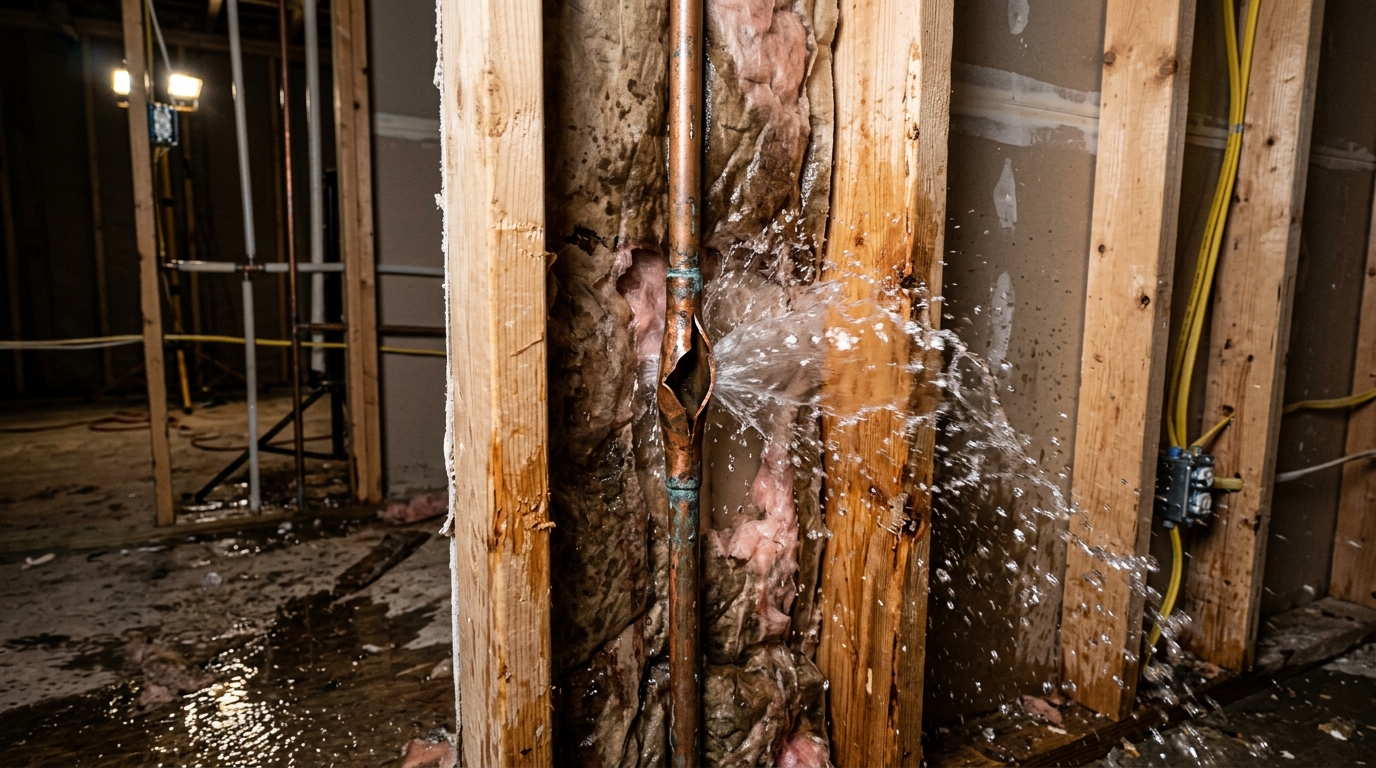
Water damage in the Houston area stems from several common sources. Internal plumbing failures, such as ruptured supply lines, failing water heater tanks, and overflowing washing machines, are frequent culprits. Additionally, Houston's weather plays a significant role. Heavy, sudden downpours can overwhelm drainage systems, leading to localized flooding. Issues with aging roofs or compromised window seals can also allow rainwater to enter the structure during severe storms. No matter the source, the result is the same: wet building materials that need immediate attention.
The Restoration and Drying Process
Our approach to water damage restoration is systematic and thorough. When you contact us, the process typically follows these steps:
- Safety and Assessment: We first ensure the area is safe, identifying any electrical hazards or slip risks. We then assess the extent of the water migration using moisture meters and thermal imaging cameras to find exactly where the water has traveled.
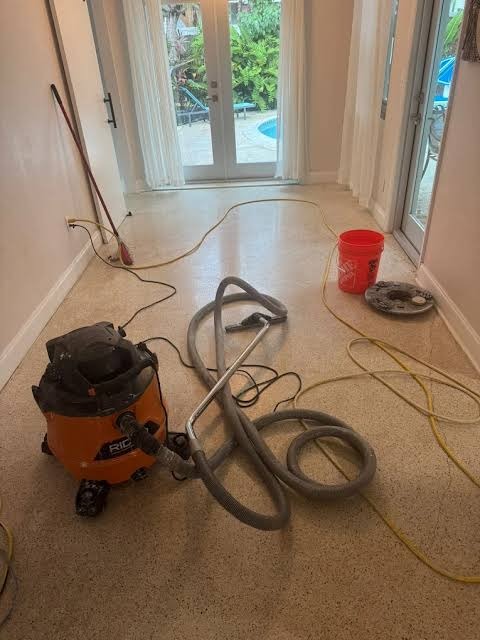
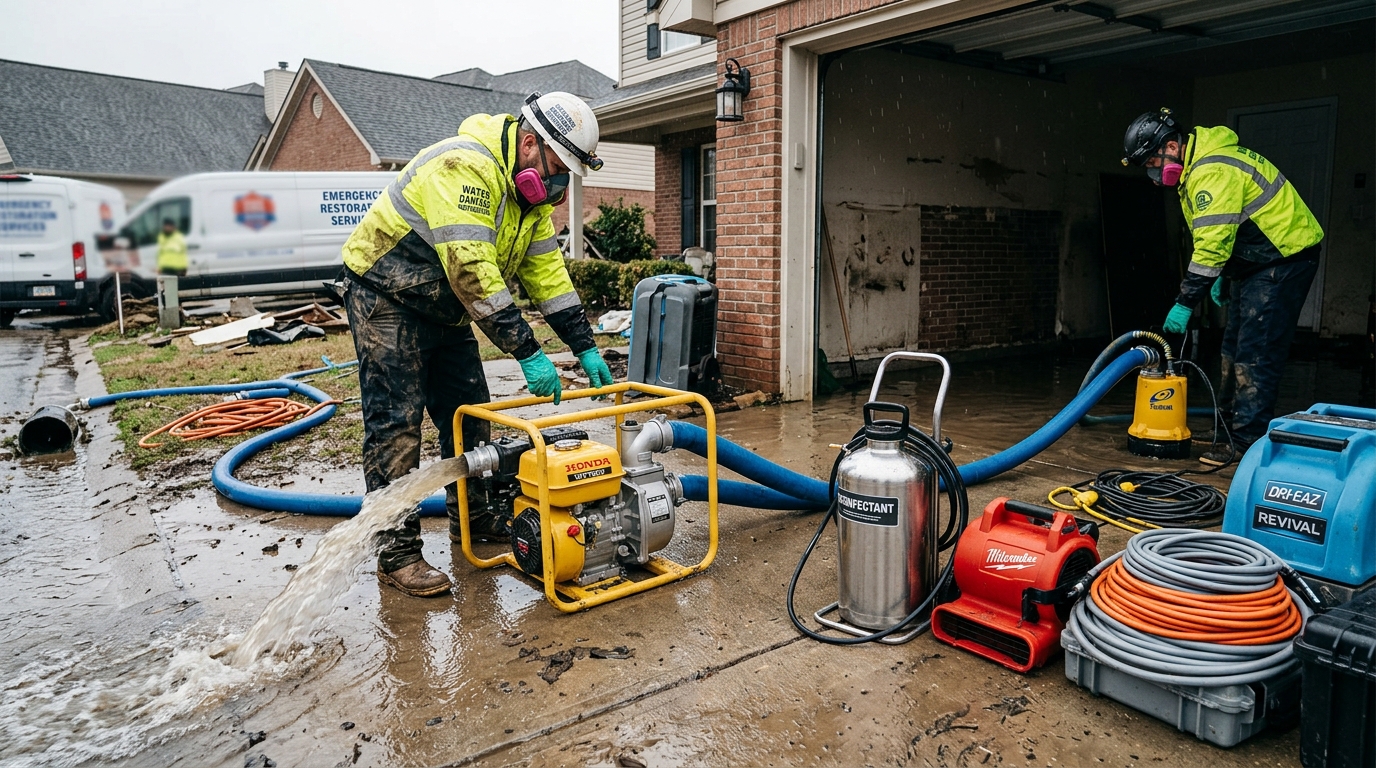
- Water Extraction: Removing standing water is the most critical step. We use powerful vacuums and extraction units to pull water out of carpets, padding, and hard flooring.
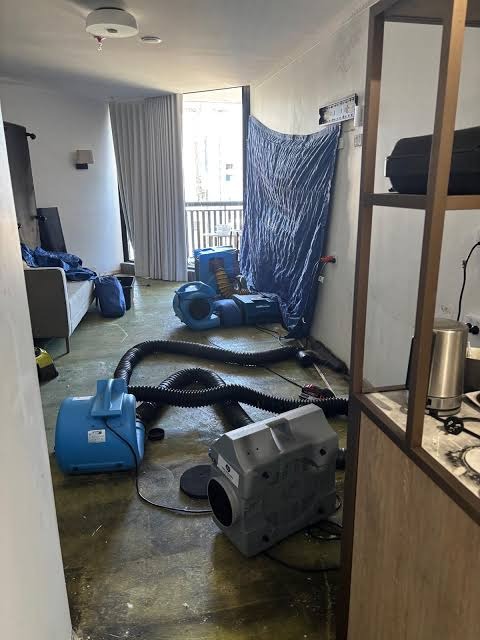
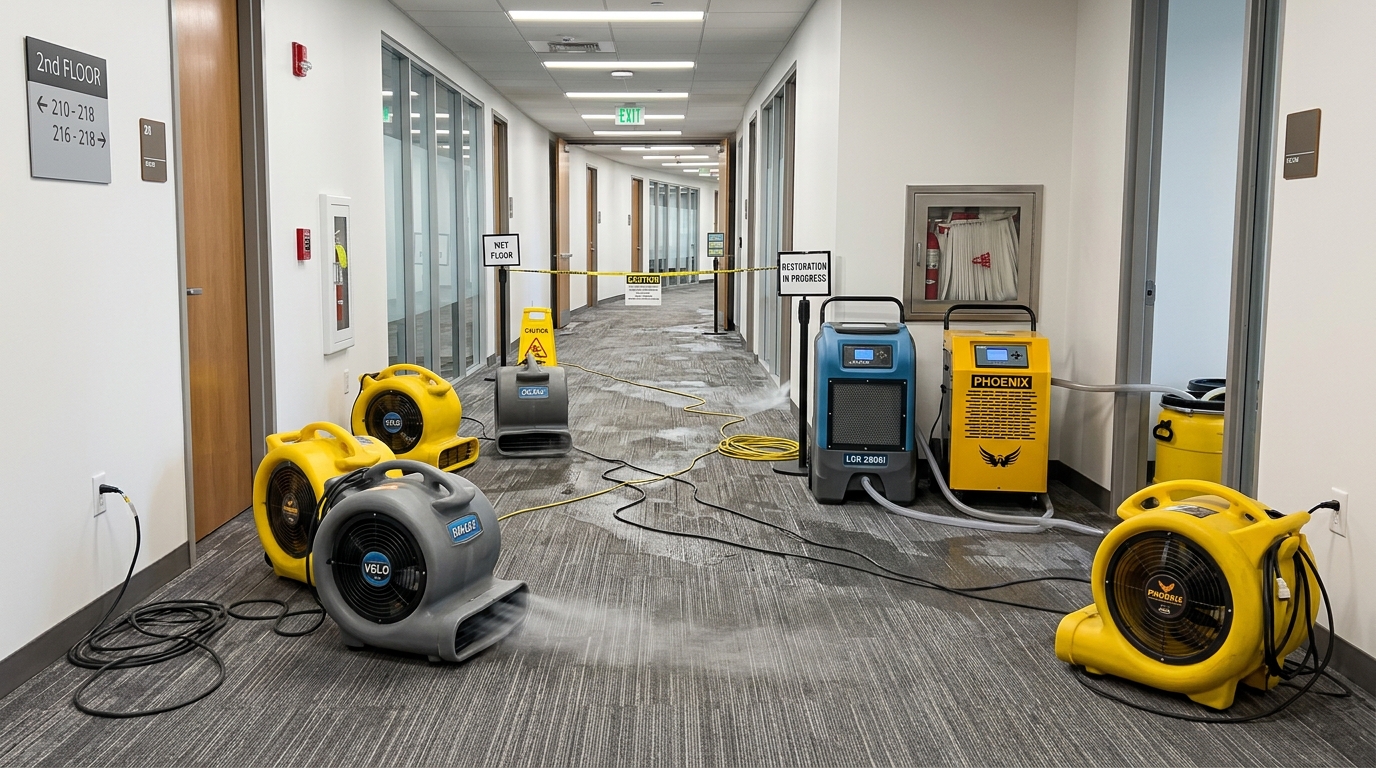
- IICRC-certified structural drying in Houston: Once the bulk water is gone, we set up industrial LGR dehumidifiers and air movers for complete structural drying & dehumidification services. These machines work together to encourage moisture to leave wet drywall, wood framing, and concrete slabs, capturing it from the air before mold can germinate.
- Cleaning and Sanitizing: Depending on where the water came from, the affected areas may need to be cleaned and treated to prevent bacterial growth and odors.
- Final Verification: We monitor the drying progress daily, taking readings to ensure the materials have returned to their normal, dry state before removing our equipment.
Materials Most Affected by Water
Water respects no boundaries within a property. Carpets and their underlying pads act like sponges, absorbing large amounts of water quickly. Drywall acts like a wick, pulling moisture upward from the floor. Hardwood floors can absorb water and swell, leading to permanent warping if not dried promptly. Even solid materials like concrete slabs can hold moisture, which must be addressed before new flooring can be installed. Our teams are trained to handle a wide variety of materials, applying the right techniques to save as much of your property as possible.
The Risks of Delaying Action
In a climate as humid as Houston's, time is of the essence. Delaying water extraction and drying allows moisture to penetrate deeper into building materials. Within just a few days, trapped moisture can create the perfect environment for mold to begin growing behind walls and under floors. Additionally, prolonged exposure to water weakens drywall, damages the structural integrity of wood framing, and ruins finishes. Prompt action is the best way to minimize the overall disruption and cost of the repair.
Serving the Greater Houston Area
Houston is a sprawling, diverse city, and the challenges faced by property owners can vary by neighborhood. From the historic, pier-and-beam homes in the Heights to the modern high-rises in Downtown and Midtown, to the sprawling slab-foundation homes in Kingwood and Memorial, and the stately estates in River Oaks, our teams understand the local architecture and environmental factors. We know how the proximity to the Gulf and the city's intricate bayou system impact property vulnerabilities, and we bring that local knowledge to every project. We also extend our rapid response to neighboring communities, including Pasadena, Pearland, and Sugar Land.
Related Services for Property Recovery
Water damage often requires a multi-faceted approach. Beyond extraction and drying, our network coordinates related services to fully recover your property. This may include safely removing unsalvageable materials like ruined carpet padding or saturated insulation, treating areas to prevent mold, and providing temporary power solutions if your electrical systems have been compromised by the water.
What to Do Next
If you have discovered water damage in your Houston property, the most important step is to act quickly. Turn off the main water supply if the source is a plumbing leak, and avoid entering rooms where water might have reached electrical outlets. Then, reach out to our emergency dispatch. Our local crews are ready to respond, evaluate the situation, and guide you through the process of restoring your home or business to normal.
Local Houston Neighborhood Service Areas
We coordinate rapid dispatch and moisture control services to residential and commercial properties across all key Houston neighborhoods.
Local Coverage, Zip Codes & Watershed Risks
Our restoration teams provide 24/7 rapid response across the entire local area, maintaining dedicated equipment staging for fast arrival.
- Zip Codes Served: 77002, 77007, 77019, 77024, 77056, 77070, 77079, 77084, 77095
- Major Corridors & Arterials: I-10 (Katy Freeway), I-610 Loop, US-59 / I-69, Beltway 8 (Sam Houston Tollway), and Westheimer Rd
- Local Landmarks & Hubs: The Galleria, Texas Medical Center, Downtown Houston, Energy Corridor, and NRG Park
- Hydrological & Watershed Risk Profile: Buffalo Bayou, Brays Bayou, White Oak Bayou, and Addicks & Barker Reservoir release channels. High clay soil water retention demands aggressive structural drying protocols.
Whether your property has suffered a sudden pressurized plumbing leak or rising floodwaters, we deploy specialized water extraction, IICRC-certified structural drying in Houston, and targeted emergency water damage restoration tailored to local building codes and foundation types.